
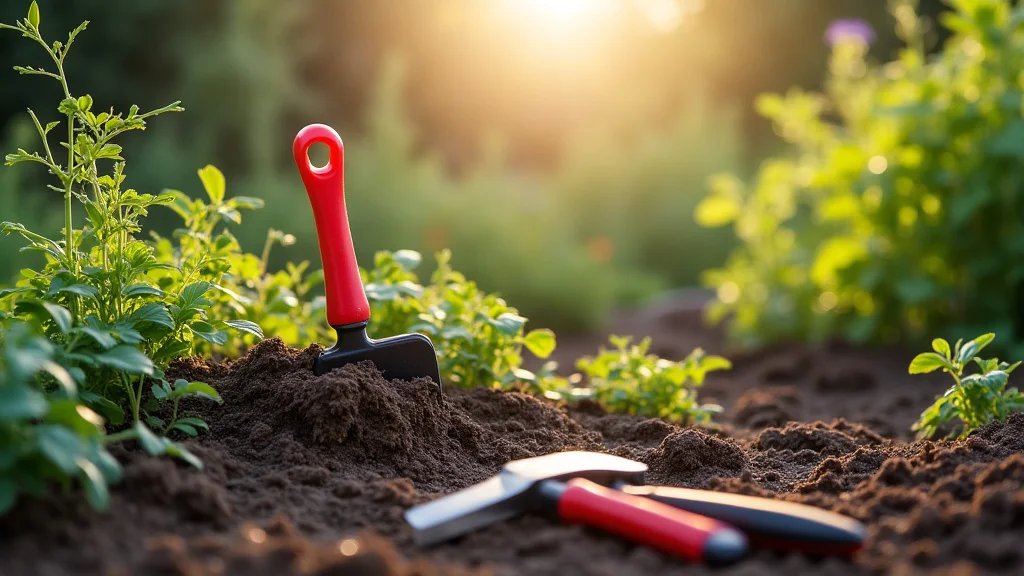
Remember that time you tried to plant a few tomato plants, only to discover you didn’t have the right tools? You ended up borrowing your neighbor’s rusty shovel, and the whole experience was a bit of a muddy mess. It’s a common story! Getting started with gardening doesn’t have to break the bank. This post will help you explore the cost of gardening tools rental, and everything that impacts it. You’ll also learn the smart way to get the tools you need without making a big upfront investment. You’ll gain valuable insights into different rental options, the factors influencing the cost of gardening tools rental, and practical tips for making informed choices. Prepare to become a savvy gardener!
Key Takeaways
- Understand the various factors influencing the price of gardening tools rentals.
- Learn about the different rental options, including local stores and online services.
- Discover the benefits of renting tools versus buying them outright.
- Get tips on how to find the best deals and save money on tool rentals.
- Explore how to choose the right tools for your specific gardening needs.
- Find out the long-term cost benefits of renting versus owning gardening tools.
The Allure and Advantage of Gardening Tool Rentals
Gardening can be a rewarding hobby, bringing fresh produce and vibrant greenery to your life. However, getting started can seem expensive, especially when faced with the cost of purchasing various tools. This is where the concept of cost of gardening tools rental becomes particularly appealing. It offers an accessible and flexible way for both novice and experienced gardeners to access the necessary equipment without the commitment of ownership. The best thing is that you only pay for what you need, when you need it.
The Benefits of Renting Garden Tools
Renting gardening tools comes with several advantages, particularly for those just starting or with limited storage space. One of the main benefits is the reduced upfront investment. Buying a complete set of tools can be a significant expense, especially considering the variety of tools needed for different gardening tasks. Renting allows you to try out various tools, from tillers and rototillers to spades and hand rakes, without needing to spend a fortune. This approach is also great if you only need the tool for a short time, like for preparing a new garden bed or completing a seasonal task.
- Cost Savings: Renting eliminates the need for a large initial investment in gardening tools.
- Storage Space: You don’t need a garage or shed to store infrequently used tools.
- Access to High-Quality Equipment: Renting often provides access to professional-grade tools that might be too expensive to purchase.
- Reduced Maintenance: Rental companies handle maintenance and repairs of the tools.
- Flexibility: Renting allows you to try different tools and adapt to changing gardening needs.
Purchasing every tool you might need can easily exceed hundreds of dollars. Renting lets you use high-quality tools without the financial strain. You only pay for the time you need them, saving money in the long run, especially if you have a small garden or plan to garden occasionally.
Owning a collection of gardening tools requires adequate storage. Rental services remove this need. Instead of finding space to store a tiller or a lawn aerator, you simply return them after use. This is particularly useful for those living in apartments or homes with limited storage areas.
Renting allows you to use better quality tools than you might initially buy. You may find that rental companies offer more advanced or specialized tools, such as power tillers or aerators. The result is a better gardening experience and potentially better results.
When you rent, you don’t need to worry about sharpening blades, changing oil, or repairing broken parts. This frees up your time and prevents extra expenses. You are free to focus on your gardening instead of tool upkeep.
Your gardening needs will evolve. Maybe you decide to expand your vegetable garden, or try a new type of soil. Renting allows you to respond to these changes. It lets you experiment with different tools, and assess what works best for your garden without the long-term investment.
Comparing Renting to Buying
When deciding whether to rent or buy, it is important to think about the frequency of use and the type of tasks you plan to undertake. For occasional gardeners or those with limited space, renting is generally a better financial decision. However, if you have a large garden and plan to garden frequently, or require specific tools for long-term projects, purchasing might be more cost-effective over time. Buying offers the convenience of having the tools readily available. But renting allows you to avoid the cost and storage commitment.
| Factor | Renting | Buying |
|---|---|---|
| Initial Cost | Lower | Higher |
| Storage Requirements | Minimal | Significant |
| Maintenance Responsibility | None | Owner’s Responsibility |
| Tool Quality | Often high-quality | Varies, depending on purchase |
| Flexibility | High | Limited |
| Cost Over Time | Potentially higher for frequent use | Potentially lower for frequent use |
The table provides a simple way to visualize the trade-offs. The decision should align with your gardening habits and needs. For small projects or infrequent use, renting remains the better option.
Factors Influencing the Cost of Gardening Tools Rental
The cost of gardening tools rental is subject to various factors. Knowing these can help you better understand rental prices and make more informed decisions. The primary factor is the type of tool. Power tools generally cost more to rent than hand tools. Other factors include the rental period, the rental company’s location, the condition and quality of the tools, and any additional services offered, such as delivery or maintenance.
Tool Types and Rental Prices
Different gardening tools have different rental prices. Hand tools, like shovels, rakes, and hand trowels, typically have lower rental costs due to their simplicity and ease of maintenance. Power tools, such as tillers, lawn mowers, and aerators, come with a higher price tag. This reflects their higher purchase price, the need for regular maintenance, and the potential for wear and tear. Consider the specific tools you need for your project and compare rental prices accordingly.
- Hand Tools: Shovels, rakes, trowels, and hand cultivators usually rent for a few dollars per day.
- Power Tools: Tillers, lawn mowers, and aerators can cost upwards of $20-100 per day.
- Specialized Tools: Stump grinders, thatchers, and log splitters have higher rental costs due to their specialized functions.
These are the basic tools most gardeners need. Their simpler design makes them cheaper to rent. Because these tools are less complex, the rental cost is often less significant. You may even find rental packages that bundle these at reduced rates.
Power tools require more investment from the rental provider. The higher rental cost reflects their more complicated design and greater potential for repair. Their higher cost is influenced by factors like engine type and power. Keep in mind that specialized tools, like stump grinders, often have a much higher rental cost.
For one-off tasks, renting specialized tools is frequently the best option. These tools cater to specific needs, so you won’t have to invest in a piece of equipment you might only use once or twice. Before renting, make sure you know how to operate the tool safely.
Rental Periods and Pricing Structures
Rental companies offer various pricing structures. The cost of gardening tools rental depends on the time period, typically daily, weekly, or monthly. Daily rentals are great for short-term projects. Weekly rentals offer better value for tasks taking longer than a couple of days. Monthly rentals are often the most cost-effective option for extended projects. It’s also important to ask about any late fees. Returning a tool late can add unexpected expenses.
- Daily Rentals: Suited for quick jobs and small tasks, priced on a per-day basis.
- Weekly Rentals: Provide better value for projects spanning several days, priced at a lower rate per day.
- Monthly Rentals: Most cost-effective for extensive projects or long-term needs.
Daily rates offer flexibility for tasks that can be done in a day or two. Remember that you will pick up the tool in the morning and return it by the end of the day. This structure is best if you know you only need the tool for a short time.
If you have a bigger project or need the tool for the weekend, a weekly rental can save you money. These rentals let you spread the work out. This might suit you if you’re planting a new garden, or preparing a lawn for seeding.
For significant projects, such as a major landscaping overhaul, a monthly rental will be the cheapest option. This is also a good choice if you have several gardening tasks to complete over an extended period. Keep in mind, longer rentals mean you’re more responsible for the tool.
Location, Condition, and Additional Services
The rental company’s location can influence the price. Rentals in urban areas tend to be higher than those in suburban or rural settings. The condition of the tools, and any additional services like delivery or maintenance, also impact the cost of gardening tools rental. Well-maintained tools cost more because they offer reliability and safety. Delivery adds to the cost. Before renting, check the tool’s condition and understand what the rental price includes.
- Location: Prices vary depending on the rental company’s location, reflecting local market rates.
- Condition of Tools: Well-maintained tools often command higher rental fees due to their reliability.
- Additional Services: Delivery, maintenance, and tool-use training may increase the rental cost.
Compare the prices of local rental companies and assess their services. Urban locations may have higher rental costs. Rural companies may offer more competitive rates. The demand and costs of doing business influence the pricing.
Inspecting the tool before renting ensures it’s safe to use. Well-maintained tools are more likely to perform well. A good company will have its tools serviced and sharpened. A tool in poor condition can lead to delays or extra costs.
Check what the rental fee covers. Delivery, if available, can be convenient, but costs extra. Companies might offer training on tool use, which is helpful, particularly for power tools. Remember to factor these added services into the overall cost.
Finding the Best Deals and Saving Money
There are many ways to make your cost of gardening tools rental as budget-friendly as possible. Researching rental options, comparing prices, and taking advantage of discounts and promotions are all part of the equation. Careful planning helps you minimize the expenses. Knowing how to locate the best rates and cut down on extra charges is key to a successful gardening experience.
Researching Rental Options and Comparing Prices
Start by researching local rental businesses and checking online services. Get quotes from multiple companies, and compare the prices for the tools you need. It is important to look beyond just the basic rental rates. Consider other factors. This might include the tool’s condition, included services, and any fees for late returns. This will help you get the best value for your money.
- Local Rental Businesses: Physical stores often offer a variety of tools.
- Online Rental Services: Online platforms can provide wider options.
- Comparing Quotes: Obtain and compare quotes from different companies for the same tools.
Local businesses often offer expert advice. They may provide personalized service, which can be beneficial. Consider asking for recommendations. Local stores might offer flexible rental periods to suit your needs.
Online services can be convenient, allowing you to browse and book tools from your home. Make sure you read reviews from other users. Look for companies with clear policies and delivery options. Verify their return policies before booking.
Ask for quotes from multiple rental providers to get the best deal. Compare not only the rental rates but also the included services, the condition of the tools, and any associated fees. This thorough comparison will save you money.
Discounts, Promotions, and Seasonal Deals
Rental companies often offer discounts and promotions. These may be seasonal, or linked to specific tools. Look for special deals, particularly during off-peak gardening seasons. You may also find discounts for extended rentals, or for booking multiple tools at once. It’s always helpful to ask about any available specials. Careful planning can make your gardening projects more cost-effective.
- Seasonal Discounts: Prices may drop during off-peak seasons such as fall or winter.
- Bundle Deals: Renting multiple tools together may offer a reduced overall cost.
- Loyalty Programs: Some companies provide discounts to returning customers.
Rental companies sometimes offer discounts during the off-season. If you’re flexible with your gardening schedule, you might save money. Companies may have less demand during these times. Keep an eye out for ads during spring and summer.
If you’re tackling multiple tasks, consider bundling tools. For example, some companies offer packages with a tiller, a shovel, and a rake at a discounted rate. Always assess what tools you will need before booking.
If you plan to rent tools regularly, look for companies with loyalty programs. These programs can reward repeat renters with discounts, or special offers. Take advantage of rewards to reduce your ongoing rental costs.
Tips for Reducing Rental Costs
Taking a few simple steps helps you lower the cost of gardening tools rental. Planning is key. Preparing your gardening area before renting tools helps to avoid unnecessary delays. Check the tools before you take them. Returning them on time prevents any extra charges. Maintaining the tools while you use them also helps you avoid extra fees. Following these steps can help keep your rental costs down.
- Plan Ahead: Estimate the time needed and prepare your work area beforehand.
- Inspect Tools: Check the tool’s condition before renting to avoid extra fees.
- Return Tools on Time: Avoid late fees by returning the tools promptly.
Planning can improve efficiency. Consider how long it takes to complete the job. Take measurements and clear the area. Planning lets you select the right tools and rental period. This minimizes the risk of needing to extend the rental and incurring additional costs.
Make sure the tool functions correctly before you begin. Check for any damage. Document pre-existing issues and notify the rental company. This prevents you from being charged for damage that you did not cause.
Adhere to the return schedule outlined in your rental agreement. Set reminders to ensure timely returns. Late fees can be significant, so promptness is key to keeping costs down. If you need more time, contact the company to arrange an extension before your due date.
Choosing the Right Tools for Your Gardening Needs
Choosing the correct tools is very important for the success of your gardening project. This also affects the cost of gardening tools rental. The tools you need will depend on your gardening tasks and project scope. For example, starting a new flower bed will require different tools than maintaining an established vegetable garden. Knowing the job at hand guides the tool selection. Renting only what you need avoids overspending.
Assessing Your Gardening Tasks and Project Scope
Before renting tools, define the scope of your gardening tasks. Assess the size of the area, the type of plants, and the specific chores you intend to perform. Are you preparing a new planting bed? Are you weeding? Are you trimming bushes or trees? Understanding your needs will direct you towards the right tools. If you’re preparing a vegetable patch, you may need a tiller. If it’s a small flower bed, hand tools might suffice.
- Small Gardens: Hand tools, such as trowels, hand rakes, and spades, are often sufficient.
- Larger Areas: Power tools, like tillers, lawn mowers, and aerators, can improve efficiency.
- Specialized Projects: Pruning saws, stump grinders, or log splitters may be needed for specific jobs.
For small gardens, or raised beds, hand tools are generally enough. These tools are affordable to rent. They are also easy to maneuver and store. If you are starting a small herb garden, a hand cultivator and a trowel might be all you need.
Power tools can save time and energy. They’re great if you are planting a large vegetable garden or working with a big lawn. Consider renting a tiller to prepare a large planting area or a lawn aerator for improving soil health.
For specific projects like tree trimming or removing stumps, you’ll need specialized tools. These tools address the needs of more demanding gardening tasks. Renting these tools avoids the need for a large investment.
Matching Tools to Garden Types and Plant Needs
Different garden types and plants have specific tool needs. For example, a lawn requires different tools compared to a vegetable garden or a flower bed. Assess the type of plants you are growing, and the soil conditions. Knowing this guides the selection of the right tools for the job. Matching the tools to the gardening tasks allows you to work efficiently. Proper tool selection prevents you from overspending.
- Vegetable Gardens: Tillers, hoes, and hand cultivators are beneficial.
- Lawns: Lawn mowers, aerators, and thatchers are useful for maintenance.
- Flower Beds: Shovels, trowels, and hand pruners are typically sufficient.
Prepare your soil with a tiller before planting. Cultivators help in weeding and aerating. Hoes can cut through weeds quickly. A well-prepared garden increases the likelihood of a successful harvest. Having the right tools also makes the task easier.
A lawn mower cuts grass. Aerators improve soil health. Thatchers remove dead grass and debris. These tools are used for lawn care and improvement. Ensure you select the right tool for the job. This also depends on the size of the lawn.
Shovels and trowels are used for planting and transplanting flowers. Hand pruners are suitable for trimming and shaping plants. These tools work in flower beds. Having the right tools improves appearance and plant health.
Safety Considerations and Tool Operation
Always prioritize safety when using any gardening tool, particularly power tools. Before renting, make sure you understand how to use the tool safely. You may want to ask the rental company for instructions, or watch tutorial videos. Follow safety guidelines provided by the rental service. Wear appropriate safety gear. Doing so helps to reduce the risk of accidents and ensure a positive experience.
- Read Instructions: Understand how to operate the tool safely before using it.
- Wear Safety Gear: Utilize appropriate safety gear, such as gloves, eye protection, and sturdy footwear.
- Seek Training: Get training on power tools before use, when provided.
Read the manual, or follow the instructions. Review safety guidelines before operating the equipment. This minimizes the risk of injury. Knowing the tools helps you use it effectively. Make sure you fully know how to use the equipment.
Wear gloves, safety glasses, and sturdy shoes while operating tools. This protects you from injuries. Proper attire protects your hands, eyes, and feet. These simple steps can make a difference.
If the rental company offers training, it is best to take advantage of it. Make sure you understand how to handle the tool safely. Ask questions if you need clarification. Training gives you the knowledge to handle the equipment.
Long-Term Cost Benefits of Renting vs. Owning
Deciding between renting and owning gardening tools involves evaluating the long-term cost benefits. While owning tools provides convenient access, renting offers financial advantages for certain situations. Factors such as the frequency of use, storage space availability, and the specific tools you need play a crucial role. Evaluating these factors helps you make a better decision for your budget.
Calculating the Total Cost of Ownership
Owning gardening tools requires more than just the initial purchase cost. You must consider maintenance, repairs, and storage costs. Sharpening blades, replacing parts, and storing tools take up money and time. The total cost includes the initial outlay. It considers the ongoing expenses associated with keeping the tools in good condition. Consider this to see if owning is the most cost-effective option for your needs.
- Initial Purchase Price: The initial cost of buying the tools.
- Maintenance and Repair Costs: These include sharpening, oil changes, and parts replacement.
- Storage Costs: The cost of the space needed to store the tools.
Buying all the tools you need can be expensive. Start with the cost of your essential tools. Factor in any specialized equipment you will need. This gives you a clear understanding of the initial costs of owning.
Power tools require regular maintenance. Factor in the cost of sharpening blades or replacing worn parts. If you don’t do the maintenance yourself, you will need to pay for repairs. Keep in mind that some tools require more care than others.
Storing the tools needs space. This could be a shed, garage, or another storage area. Factor in the cost of renting or building a storage space. This cost becomes more relevant if your space is limited.
Assessing the Frequency of Use
The frequency you plan to use the tools is a key factor in deciding whether to rent or buy. If you garden occasionally, renting generally provides better value. Buying becomes more cost-effective if you garden regularly. Evaluate your habits and needs. This helps you select the choice that best suits your gardening activities. The choice can be guided by your lifestyle.
- Occasional Use: Renting is often more economical for infrequent tasks.
- Regular Use: Owning becomes more cost-effective with frequent use.
If you have limited gardening needs, renting is likely the more cost-effective choice. Renting avoids the initial purchase cost. It reduces expenses, while providing you with access to the tools you need. It is also more suitable for seasonal tasks.
If you garden often, or on a large scale, the cost of buying can be spread out. Owning may become more cost-effective over time. Owning eliminates rental fees, and gives you access to your tools at any time. If you’re a serious gardener, owning could be preferable.
Considering Storage Space and Convenience
Storage space and convenience should also influence your decision. If you live in a small space, renting can be more convenient. You don’t need to worry about the space for storing the tools. Owning requires a dedicated space, which may be costly or unavailable. Renting offers flexibility. Assess your space and lifestyle to make a choice that fits.
- Storage Limitations: Renting eliminates the need to store tools.
- Convenience: Owning provides immediate access to tools when you need them.
If you have limited storage space, renting is the more practical option. You can avoid the need for storing large tools. You can return the tool when the project is done. Renting is suitable for those living in apartments or condos.
If convenience is a priority, owning tools can be beneficial. With your tools, you are always prepared. You can work on projects whenever it is convenient. Owning offers an easy choice.
Frequently Asked Questions
Question: What is the typical daily rate for renting a tiller?
Answer: The daily rate for a tiller usually ranges from $50 to $100, depending on the size, features, and rental location.
Question: Are there any extra fees associated with renting gardening tools?
Answer: Yes, extra fees may include late return charges, cleaning fees if the tool isn’t cleaned properly, and damage fees if the tool is returned in poor condition.
Question: How can I ensure the rented tools are in good working condition?
Answer: Inspect the tool before you rent it, checking for any visible damage. Also, test its functions to make sure they operate correctly before you commit to the rental.
Question: Does renting tools include the use of safety equipment?
Answer: Generally, rental companies do not provide safety equipment. However, they may offer it at an additional cost. Always check with the rental company beforehand.
Question: What happens if a rented tool breaks during my project?
Answer: Contact the rental company immediately and stop using the tool. They will typically repair or replace the tool, or potentially offer a refund or discount.
Final Thoughts
Renting gardening tools presents an efficient way to access necessary equipment without making a large financial commitment. You can weigh the benefits and drawbacks of renting versus buying. The cost of gardening tools rental depends on several factors, including the type of tool, the rental period, and the provider’s location. By exploring various rental options, comparing prices, and knowing about seasonal deals, gardeners can make informed choices, and cut down on expenses. Whether you’re a beginner or an experienced gardener, assessing your project scope and selecting the right tools helps you optimize both your gardening experience and your budget. With careful planning and attention to detail, you can enjoy the many joys of gardening while managing your expenses effectively. Get out there, start planting, and watch your garden flourish!