
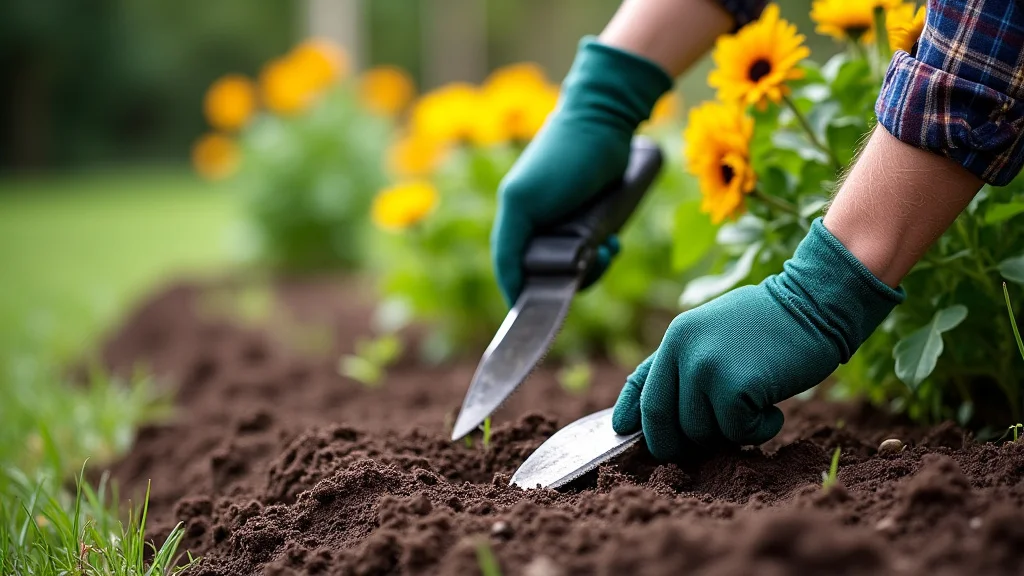
Picture this: you’re planning a weekend project – a beautiful, thriving garden. You imagine vibrant flowers and luscious vegetables. Then you check the price tag on the tools you need. Ouch! That initial sticker shock is real, especially when considering the cost of premium gardening tools in New Zealand. This post will help you explore the real value behind those shiny, high-end tools. You’ll gain a solid grasp on what impacts prices, the different types available, and whether they’re worth the investment for your gardening goals. By the end, you’ll be able to make smart choices that fit your budget and help your garden flourish. Let’s get started and learn how to navigate the landscaping tool market!
Key Takeaways
- Understand the factors that influence the cost of premium gardening tools in New Zealand.
- Compare different types of high-end tools, considering their features and uses.
- Evaluate the long-term value and return on investment for premium tools.
- Discover the best places to buy premium gardening equipment in New Zealand.
- Learn tips for maintaining your expensive tools and extending their lifespan.
- Explore alternatives and budget-friendly options that still provide quality results.
Understanding the Price of Gardening Equipment
The sticker price on a garden tool can fluctuate significantly, from a basic trowel to a high-tech robotic lawnmower. Several elements contribute to these price variations. Knowing these influences helps you explore what you are paying for when you consider the cost of premium gardening tool in New Zealand, and why some tools command a higher price than others. Let’s explore the primary factors at play.
Material Matters: What’s Used to Make Your Tools
The materials used to create a garden tool significantly influence its price and durability. Budget-friendly tools often feature plastics, lightweight metals, or wood. However, premium tools often incorporate superior materials, leading to higher price tags. For instance, tools made from forged steel or stainless steel resist rust and wear better, making them last longer. High-quality handles made from hardwood like ash or ergonomically designed composite materials provide improved comfort and handling. The selection of materials also affects the tool’s weight and balance, improving the overall user experience.
- Steel vs. Plastic: Tools made from steel, especially high-carbon or stainless steel, tend to be significantly more expensive than those made from plastic. Steel tools are much more durable, and resistant to bending or breaking. Plastic tools are light and can be inexpensive, but they might not hold up during tasks that require heavy duty use.
- Wood vs. Composite Handles: Wooden handles offer a classic look and feel. They can be comfortable, but are susceptible to weather and require maintenance. Composite handles use materials like fiberglass or reinforced plastic, are generally weatherproof, and offer superior strength and grip.
- Blade Design and Construction: Premium tools use techniques such as hot forging or precision grinding. The design of a blade affects its cutting ability and longevity. Cheaper tools might use stamped blades which may dull faster than forged ones.
The Manufacturing Process and its Impacts
The manufacturing process plays a massive role in setting the price of a garden tool. Mass-produced tools typically have a lower price because of the economies of scale involved in manufacturing. Premium tools, on the other hand, often undergo more involved processes. These can include hand-finishing, precision assembly, and rigorous quality control checks. Tools made in countries with high labor costs will also likely have a higher retail price, reflecting those increased production costs. The complexity of the design also affects the price. Innovative features or intricate designs also push up the cost.
- Handmade vs. Machine-Made: Handmade tools generally cost more than those made by machines. The time and skill that goes into handcrafting tools elevates their value and often results in higher quality.
- Quality Control and Testing: Premium tool manufacturers invest heavily in quality control, checking each tool to make sure it meets high standards. Such thorough attention to detail adds to the overall cost, but it also assures that the tool will work effectively for a long time.
- Brand Reputation and Warranty: Established brands often charge more because of their history of reliability and superior performance. A comprehensive warranty, common among premium tool brands, further reflects the confidence the manufacturer has in the tool’s quality.
Features and Functionality: More Than Just a Blade
Beyond the basics, features and functionality can drastically change a tool’s price. A simple hand trowel might cost less than a few dollars, while a multi-functional gardening tool with adjustable features and ergonomic design will cost more. The inclusion of innovative technologies, such as battery-powered tools or smart features, also adds to the price. The more functions a tool offers, the higher the cost is likely to be. Additional features often contribute to efficiency and ease of use, which can justify the extra expense.
- Ergonomic Design: Tools designed to fit the user’s hand, reduce strain, and improve comfort come at a premium. They usually have better grips, balanced weights, and shapes that make gardening tasks easier.
- Power Tools vs. Manual Tools: Battery-powered or electric tools tend to be more expensive than manual tools. These tools are built with motors, batteries, and charging systems, increasing their cost, but also their ease of use.
- Advanced Features: Some premium tools include special features. Examples include self-sharpening blades, adjustable angles, or integrated measuring systems, all of which push up the price.
Exploring the Different Types of Premium Gardening Tools
Gardening requires a variety of tools, and the premium versions of these can provide exceptional results and durability. The specific tools you need depend on your garden size, the type of plants you are growing, and the gardening style you prefer. The investment in high-quality tools often pays off in the long run. Let’s delve into different types of premium gardening tools and the benefits they offer.
Hand Tools: The Essentials of Garden Care
Hand tools are the heart of any gardener’s toolkit. From small trowels to sturdy cultivators, these tools provide the control and precision needed for planting, weeding, and soil preparation. Premium hand tools are designed for comfort, durability, and effectiveness. They usually feature durable materials like forged steel or stainless steel blades and ergonomically designed handles. These tools are crafted to withstand rigorous use. While there are a number of cheap hand tools, many gardeners consider premium ones a worthwhile investment.
- Trowels and Hand Forks: A high-quality trowel is essential for planting and transplanting. Premium versions have a comfortable handle, a durable blade for easy soil penetration, and are built to prevent bending or breaking. Hand forks make it simple to loosen soil and remove weeds.
- Weeding Tools: Premium weeding tools provide efficient and precise removal of weeds. These tools often have long, sharp blades or specialized designs, such as a stirrup hoe, for effective weeding without damaging surrounding plants.
- Pruners and Secateurs: Quality pruners are vital for pruning shrubs, trimming plants, and encouraging healthy growth. Premium pruners feature sharp, bypass blades that make clean cuts. They also include ergonomic grips for improved comfort.
Power Tools: Modern Solutions for Garden Tasks
Power tools streamline garden tasks, making them easier and faster. Battery-powered tools have become quite popular. These tools offer the convenience of cordless operation and the power needed for jobs like hedge trimming, lawn mowing, and soil cultivation. Premium power tools have strong motors, robust batteries, and ergonomic designs. The initial cost for power tools is higher than manual options, but the efficiency and convenience often make them an attractive investment. This also affects the cost of premium gardening tool in New Zealand, where there is a premium on quality and reliability.
- Lawn Mowers: Premium lawn mowers offer efficient cutting capabilities, user-friendly operation, and durability. Many models come with features such as self-propelled systems, adjustable cutting heights, and mulching capabilities. These are usually much more expensive than basic models.
- Hedge Trimmers and Edgers: Cordless hedge trimmers and edgers offer freedom and flexibility for shaping hedges and maintaining neat lawn edges. Premium versions feature sharp blades, powerful motors, and ergonomic designs to ensure precise, efficient cuts.
- String Trimmers and Brush Cutters: String trimmers and brush cutters make it easier to maintain borders, clear overgrown areas, and tackle tough weeds. Premium models feature powerful motors, durable cutting heads, and easy-to-use controls.
Irrigation and Watering Tools: Ensuring Thriving Plants
Proper irrigation and watering systems are vital for plant health. Premium watering tools guarantee efficient water distribution and prevent water waste. They often come with features like adjustable spray patterns, timers, and smart technology that adjusts watering based on weather conditions. Investing in premium irrigation tools helps conserve water and make sure your plants receive exactly what they need to thrive. While these tools may have a higher price tag, the savings from water efficiency can often offset the upfront expense.
- Hoses and Sprinklers: High-quality hoses and sprinklers are built to resist leaks, kinks, and wear. Premium hoses are made from durable materials. Sprinklers with adjustable settings allow you to customize the watering pattern to your garden’s layout.
- Irrigation Systems: These systems provide efficient and targeted watering. They can include drip irrigation, soaker hoses, and automated timers. Premium systems are designed for long-term reliability and water conservation.
- Watering Cans: Premium watering cans have ergonomic designs that are easy to carry and pour. They may include features like a rose head for gentle watering of seedlings or adjustable spouts for targeted watering.
The Long-Term Value and Return on Investment
While the initial cost of premium gardening tool in New Zealand may seem high, there are several benefits of a long-term investment. High-quality tools are built to last, which means you won’t have to replace them as often as cheaper alternatives. Their effectiveness and efficiency also can contribute to healthier plants and a more enjoyable gardening experience. Here’s a deeper look into the long-term value and ROI.
Durability and Lifespan: Tools That Last
Premium tools are crafted from better materials and constructed with greater care. They are resistant to wear and tear. High-quality steel blades, strong handles, and robust construction mean these tools can withstand demanding use for years, even decades. Many premium tools also come with warranties, which protect your investment against manufacturing defects. This durability reduces the need for frequent replacements, saving you money in the long run. Even though the upfront cost is higher, the tool will pay for itself over time.
- Material Quality: Using superior materials, such as forged steel, increases the tool’s lifespan. These materials do not corrode, bend, or break under normal use. They allow the tools to perform effectively season after season.
- Construction Techniques: Premium tools are often made using hand-forging or precision manufacturing. This makes them stronger, more reliable, and longer-lasting than cheaper mass-produced tools.
- Maintenance and Care: Proper care and maintenance of your tools can extend their lifespan even further. Cleaning, sharpening blades, and storing your tools correctly makes them last many years.
Efficiency and Performance: Get More Done
Premium gardening tools are designed for optimal performance. They make tasks easier and more efficient. For example, sharp pruners make clean cuts that promote plant health. Ergonomic designs reduce physical strain, allowing you to work in your garden longer and with greater comfort. Power tools can drastically reduce the time and effort required to complete tasks such as mowing the lawn or trimming hedges. This improved efficiency also translates to more time available for you to enjoy the fruits of your labor.
- Enhanced Cutting Ability: Sharp blades and well-designed cutting edges allow you to work faster and with greater precision. They make tasks like pruning and trimming easier and less taxing.
- Ergonomic Design Benefits: Ergonomic tools fit comfortably in your hands. This reduces strain and fatigue. You can work for longer periods without discomfort, increasing your overall productivity.
- Power Tool Advantage: Using power tools, such as lawn mowers and hedge trimmers, significantly reduces the time and effort needed for bigger tasks. This gives you more time to enjoy your garden.
Savings and Cost Avoidance: It’s All in the Details
Investing in high-quality tools can save you money in the long run. By purchasing durable tools that don’t need frequent replacements, you avoid the need to constantly buy new tools. Efficient tools also help you save on water usage, fertilizer, and even labor costs if you pay someone to help in your garden. The initial investment may seem large, but these savings over time help offset the premium price. Even though the initial cost of premium gardening tool in New Zealand is high, the cost of ownership decreases over time.
- Reduced Replacement Costs: Because premium tools last longer, you do not have to replace them. This saves you money in the long term, making your initial investment worthwhile.
- Water and Resource Efficiency: Premium irrigation tools, like smart sprinkler systems, are more water-efficient. This reduces water bills and the consumption of resources.
- Labor Savings: If you hire garden help, efficient tools make jobs faster, which can reduce labor costs. Tools that work well also make gardening tasks less demanding.
Finding the Best Deals in New Zealand
Once you are ready to invest in premium gardening tools, the next step is finding the best deals. There are many options available. Depending on your needs, you can find quality tools at a range of prices. Knowing where to look and how to compare prices can help you maximize your investment. Let’s explore the key places where you can find the best value for your money. You can find quality gardening tools at various retailers across New Zealand.
Specialty Garden Stores: The Expert Approach
Specialty garden stores often have a great selection of high-quality tools from established brands. Staff at these stores usually have strong product knowledge. They can offer advice and recommendations suited to your gardening needs. Because specialty stores concentrate on gardening, they tend to carry a wide range of premium tools and accessories. Some stores also offer repair services or sharpening, adding value to your purchase. While prices might be on the higher end, you are also getting expert advice.
- Product Range: Specialty stores focus on garden tools and equipment, offering a variety of choices. You’ll find everything from hand tools to power tools. They also offer related products like fertilizers and accessories.
- Expert Advice: Staff members are often keen gardeners who can provide advice on tool selection, gardening techniques, and plant care. Their expertise is especially helpful for first-time buyers.
- Customer Service: These stores typically provide personalized service. They help you find the tools that perfectly fit your needs. They can also provide post-purchase support.
Online Retailers: Convenient Shopping at Your Fingertips
Online retailers provide a huge array of gardening tools, with the convenience of shopping from home. Major online platforms, along with specialty online gardening stores, stock premium tools from many brands. The online marketplace often has competitive pricing and sales. This lets you compare prices across different retailers. Always read product reviews and check shipping policies before buying online. While the cost of premium gardening tool in New Zealand may be higher, shopping online lets you save money if you find a sale.
- Price Comparison: Online shopping lets you quickly compare prices across multiple retailers, helping you find the best deals. Many websites have price-comparison features.
- Product Reviews: Online marketplaces feature product reviews from other customers. These reviews offer valuable insights into tool performance and durability.
- Convenience and Selection: Online stores offer a wide selection of gardening tools. Shopping from home saves you time and allows you to find everything you need in one place.
Local Hardware Stores and Nurseries: Community Connection
Local hardware stores and nurseries often carry a good selection of gardening tools, including premium options. These establishments offer the advantage of proximity. You can often browse in person and receive personalized service. Shopping at local businesses supports your community and offers the chance to build a relationship with the store owners. They are a good place to find tools and advice, and they may be able to offer tools at a competitive price. Your shopping helps your community when you consider the cost of premium gardening tool in New Zealand.
- Personalized Service: Local stores often provide personalized customer service. Staff members are usually knowledgeable about gardening and can provide advice on the best tools for your garden.
- Hands-On Experience: You can often test the tools. Inspect the build quality and see if they fit comfortably in your hands before buying.
- Community Support: Shopping local supports your community. You help local businesses thrive and build relationships with staff who can assist you.
Maintaining Your Tools
Caring for your tools is essential to keep them in good condition. Proper maintenance not only extends the life of your investment but also ensures that the tools work safely and effectively. Simple steps, such as cleaning, sharpening, and proper storage, can have a huge impact on your tools’ longevity and performance. Regular maintenance also helps you identify any potential issues early, preventing costly repairs or premature replacements. This directly affects the long-term value of your investment in premium tools.
Cleaning and Sharpening: Keeping Tools in Top Condition
Regular cleaning is one of the most important aspects of tool maintenance. After each use, wipe off dirt, plant residue, and sap. Rinse your tools with water and wipe them dry. For rust and corrosion, use a wire brush or fine-grit sandpaper. Sharpening blades regularly ensures clean, precise cuts. Use a sharpening stone or file. Follow the manufacturer’s instructions for the best results. A sharp tool requires less effort and is safer to use. This makes gardening more enjoyable and efficient.
- Cleaning Methods: Wipe down tools after each use to remove debris. If tools get sticky, use soapy water. Rust or corrosion is removed with steel wool or a wire brush.
- Sharpening Techniques: Use a sharpening stone or file to sharpen cutting blades. Maintain the correct angle. Follow manufacturer’s instructions for specific tools.
- Lubrication: Apply oil to moving parts, such as pruning shears, to reduce friction and prevent rust. This also makes the tools work more smoothly.
Storage Practices: Protecting Your Investment
Proper storage is essential to protect your tools from the elements. Store your tools in a dry, covered area. A shed, garage, or even a protected storage container works well. Hang tools on a wall or store them on shelves to keep them organized and protected. Avoid leaving tools outside exposed to rain, sunlight, or extreme temperatures. By following proper storage practices, you can protect your tools from rust, damage, and weather. This will help them last for many years to come.
- Dry Storage: Always store tools in a dry place to prevent rust and corrosion. A shed or garage is usually ideal.
- Proper Organization: Keep tools organized to prevent loss and damage. Hang tools on a wall or store them on shelves.
- Protection from Elements: Avoid exposing tools to extreme weather. Protect them from direct sunlight, rain, and extreme temperatures.
Seasonal Maintenance: Preparing Tools for the Year
Seasonal maintenance can extend the life and performance of your tools. At the end of the growing season, clean and sharpen all tools. Inspect them for damage and make necessary repairs. Lubricate moving parts. In the springtime, give your tools a thorough inspection before the growing season starts. Sharpen blades, check for wear and tear, and make sure that everything is in working order. This will help you begin your gardening season with confidence.
- Winter Storage Prep: Clean, sharpen, and oil all tools before storing them for the winter. This will prevent rust and keep them ready for spring.
- Spring Inspection: Inspect tools for damage, sharp, and test them out. Make any repairs. This guarantees they are in good working condition.
- Regular Check-Ups: Inspect your tools after each use. Pay attention to any signs of damage or wear. This will prevent problems before they start.
Alternative and Budget-Friendly Options
If the cost of premium gardening tool in New Zealand is a concern, there are alternatives that offer great value. While high-end tools provide exceptional performance and durability, affordable options can also deliver excellent results. Some of these tools might have a lower initial price. It is possible to gradually upgrade your tools over time as your needs and budget allows. This section explores several practical alternatives and budget-friendly choices for gardeners.
Hybrid Tools: Combining Value and Performance
Hybrid tools provide a blend of affordability and performance. You could choose a high-quality hand tool and combine it with less expensive options. You could also buy a few premium tools that get used the most, such as pruners or a good trowel, and then choose more affordable versions for less-used tools. This approach lets you balance your budget while still getting the benefits of quality tools. Even though you may not spend as much, you can improve your gardening experience while also saving money. This strategy lets you get the best of both worlds.
- Prioritize Essential Tools: Decide which tools are the most important for your gardening. Invest in premium versions of these. Choose more budget-friendly options for tools that are not used as often.
- Mix and Match Brands: There’s no reason to stick with a single brand. Mix premium tools from different brands with more affordable options. This gives you the best mix of quality and value.
- Consider Refurbished Tools: Explore buying refurbished tools. These are often tested and repaired to excellent condition. You can get quality tools at a reduced price.
DIY Solutions: Creative Alternatives
DIY solutions provide inexpensive alternatives for gardening tools. You can make many gardening tools using recycled materials or items you already have. Simple solutions like repurposing old containers for planters or using wooden stakes for plant supports can save money. Making your tools allows you to save on costs and develop your skills. This also lets you be more creative with your gardening.
- Upcycling Materials: Reuse old containers, bottles, and pallets to make planters, raised beds, and other garden structures. This helps reduce waste.
- Handmade Tools: You can craft tools like seed dibbers or small hand rakes using wood scraps or old metal tools. This makes tools cheaper to buy.
- Sharing and Swapping: Team up with other gardeners. Share tools or swap items you don’t use often. This can reduce your costs.
Budget-Friendly Brands: Quality for Less
Some brands offer quality tools at more affordable price points. Explore these options if you’re mindful of your spending. Some brands specialize in producing tools that are high quality and durable. This lets you get a good return on your investment. Always read reviews and compare products. This lets you make an informed choice that balances your budget with your gardening needs.
- Research Budget Brands: Investigate brands that specialize in value-priced tools. Read reviews, compare specifications, and see how they are made.
- Look for Sales and Discounts: Keep an eye out for sales. Seasonal promotions can help you save on specific tools.
- Compare Features: Prioritize the features that are most vital to your gardening requirements. Make sure to get the tools that give you what you want at the best price.
Frequently Asked Questions
Question: Are premium gardening tools worth the high price?
Answer: Yes, in many cases. Premium tools provide better performance, durability, and comfort, which helps make gardening easier and more enjoyable. They are also made to last longer. They can save you money in the long run by reducing replacement costs.
Question: What are the key features to look for in a quality hand trowel?
Answer: Look for a trowel with a forged or stainless steel blade, a comfortable, ergonomic handle, and a design that won’t bend or break easily. The blade should be sharp for easy soil penetration.
Question: How do I choose between a battery-powered and a corded electric lawn mower?
Answer: Battery-powered mowers offer cordless freedom. They’re good for small to medium-sized lawns. Corded mowers provide continuous power. They are a good choice for larger lawns, but you’ll have to deal with the cord.
Question: How can I make my gardening tools last longer?
Answer: Clean your tools after each use. Sharpen cutting blades. Store tools in a dry place. Regularly check for damage and make repairs.
Question: Where can I find the best deals on premium gardening tools in New Zealand?
Answer: Check specialty garden stores, online retailers, and local hardware stores. Compare prices, and read reviews before making a purchase. Local stores can often give you expert advice.
Final Thoughts
Choosing the right gardening tools is a vital step in creating and maintaining a thriving garden. The cost of premium gardening tool in New Zealand reflects factors like material quality, manufacturing processes, and included features. While the upfront investment might seem high, the long-term benefits – including durability, efficiency, and cost savings – often make premium tools an excellent value. You’ve explored various tool types, where to find them, and how to maintain them. You also learned that there are viable, budget-friendly choices available. So go forth, armed with this knowledge, and choose the tools that fit your budget and help your garden reach its full potential! Happy gardening!