
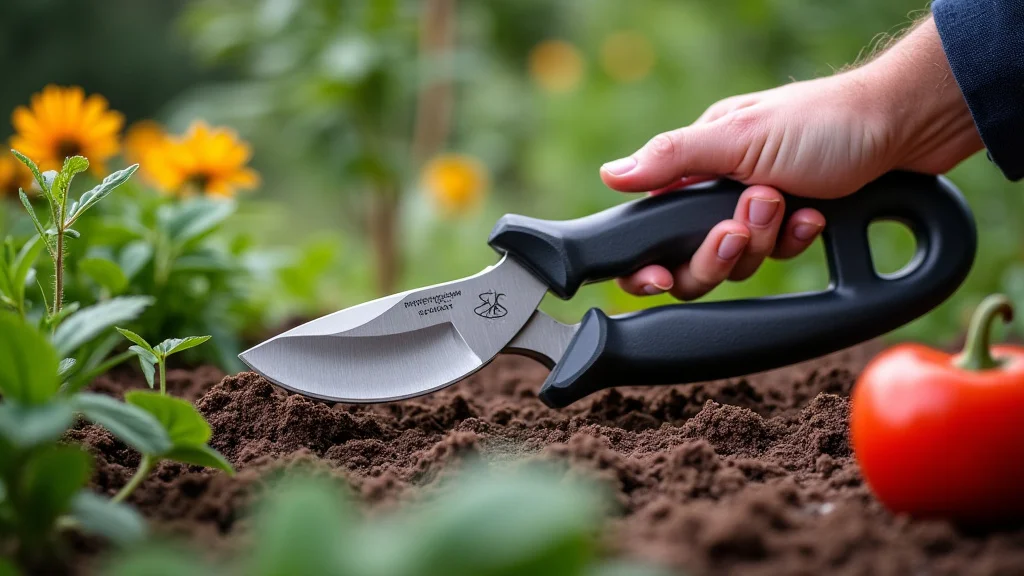
Remember that time you tried to prune your rose bushes with a dull kitchen knife? Yeah, me neither, but I’ve heard stories! The frustration of blunt blades, the uneven cuts, and the general struggle? It’s a gardening hazard we’ve all faced (or thankfully, avoided). Selecting the correct gardening cutting tools isn’t just about owning equipment; it’s about making your gardening tasks easier, more effective, and a whole lot more enjoyable. This guide will explore the essential gardening cutting tools, their uses, and how to choose the best ones for your specific gardening needs. You’ll learn how to maintain your tools and get the most out of your investment, which increases your garden’s health and your own efficiency. Let’s dig in!
Key Takeaways
- Learn about the different types of gardening cutting tools and their purposes.
- Understand the features to look for when purchasing new tools.
- Discover the best practices for tool maintenance and safety.
- Gain knowledge of how to use tools properly for optimal plant health.
- Explore the materials and construction of durable gardening tools.
- Find insights on how to choose tools based on your garden size and plant types.
Essential Gardening Cutting Tools and Their Uses
The world of gardening offers a wide array of gardening cutting tools, each serving a specific purpose. Understanding these tools and their uses is the first step toward becoming a successful gardener. From the delicate touch needed for pruning roses to the robust cutting required for tree branches, having the right tools makes all the difference. This section will introduce you to the core tools, explaining what they do and when you should use them. You’ll learn to differentiate between a bypass pruner and an anvil pruner, and understand why a lopper is essential for certain tasks. We’ll also cover saws, hedge shears, and other specialized tools. Proper tool selection prevents plant damage and reduces the physical strain of gardening.
Pruning Shears (Hand Pruners)
Pruning shears, also known as hand pruners, are arguably the most essential gardening cutting tools. They’re used for a variety of tasks, from trimming small branches and stems to shaping plants and harvesting flowers. They come in two primary types: bypass and anvil. Bypass pruners have a blade that passes by a cutting edge, offering a clean, scissor-like cut ideal for live, green growth. Anvil pruners, on the other hand, have a blade that closes onto a flat surface, suitable for dead or dried wood. Choosing the right type depends on the task at hand. Hand pruners come in different sizes, with ergonomic handles for comfortable use, even during extended gardening sessions.
- Bypass Pruners: These are best for making clean cuts on living plants.
- Anvil Pruners: Ideal for cutting dead or dried branches and stems.
- Ergonomic Design: Look for comfortable handles and easy-to-use locking mechanisms.
- Blade Materials: Choose blades made from high-carbon steel or stainless steel for durability.
Bypass pruners provide a clean cut that helps prevent disease and promotes healing in plants. The scissor-like action prevents crushing the stem. Choose these for roses, flowering shrubs, and most pruning tasks where you want to promote plant health. They are great for delicate stems and for close pruning where precision matters. Good bypass pruners are often made with high-carbon steel blades for sharpness and durability.
Anvil pruners offer more cutting power for dry or tough wood. The blade comes down onto a flat surface, providing a crushing action. They are typically easier to sharpen than bypass pruners. Use these for deadheading, removing dead branches, and other tasks where a clean cut is not as crucial. The design makes them simpler to use for those with less hand strength.
Ergonomic design is essential for comfortable use. Look for pruners with cushioned grips, which reduce hand fatigue. A well-designed locking mechanism ensures the pruners stay closed when stored and prevent accidental injuries. The design of the handle should fit comfortably in your hand. Consider the overall weight of the pruners, choosing lighter options if you plan on doing a lot of pruning. Look for materials that resist rust, such as stainless steel.
The material of the blades affects how well the pruners cut and how long they last. High-carbon steel blades are very sharp and can hold an edge for a long time. Stainless steel blades are rust-resistant and require less maintenance. Both options are superior to blades made from soft metals, which dull more quickly. The blade material affects how frequently you’ll need to sharpen your pruners.
Loppers
Loppers are gardening cutting tools with long handles, designed to cut thicker branches that hand pruners can’t handle. They leverage the force needed to cut through woody stems up to a couple of inches thick. Loppers come in both bypass and anvil types, mirroring the design of hand pruners. They are indispensable for pruning trees, shrubs, and other plants with substantial growth. The extended handles provide additional leverage, making cutting easier and reducing strain. Choosing loppers involves considering the blade type, handle material, and overall length. Proper maintenance and sharpening are essential to keeping loppers functional.
- Bypass Loppers: For clean cuts on live wood, similar to bypass hand pruners.
- Anvil Loppers: Suitable for dead or dry branches, offering more cutting power.
- Handle Length: Longer handles provide more leverage for cutting thicker branches.
- Blade Material and Construction: Consider the quality of the steel and the blade design.
Bypass loppers are the best choice for clean cuts on live branches, promoting quicker healing of the plant. Their scissor-like action minimizes crushing, making them suitable for most pruning tasks. Look for models with sharp blades and comfortable grips. These loppers usually work best on green, growing wood because they offer a clean cut that helps the plant heal quickly. Choose bypass loppers when shaping fruit trees or other plants where you want a smooth, precise cut.
Anvil loppers use a blade that closes against a flat surface. This design offers a powerful cutting action ideal for dry or dead wood. They are less precise than bypass loppers, but they are great when dealing with tougher materials. Anvil loppers tend to be easier to sharpen, because their design is simpler than that of bypass models. They’re often used for clearing out dead branches in shrubs and trees.
The handle length directly affects the amount of force you can apply. Longer handles provide greater leverage. Choose loppers based on the size of the branches you plan to cut. Shorter handles are easier to maneuver in tight spaces, while longer handles are useful when reaching high or cutting thicker branches. Keep in mind that longer loppers can be more challenging to store.
The material of the blade determines its sharpness and durability. Look for loppers with blades made from high-carbon steel or forged steel. These materials hold their edge well and can withstand regular use. The blade design includes the cutting angle and the presence of any coatings to reduce friction. Check the overall construction to see if it is strong enough for the jobs you plan to do. It should feel sturdy in your hands.
Pruning Saws
Pruning saws are essential gardening cutting tools for cutting larger branches, limbs, and even small trees. They come in various types, including curved blade saws, folding saws, and pole saws. The curved blade is designed to cut on the pull stroke, providing efficiency, while folding saws offer portability. Pole saws are beneficial for reaching higher branches without using a ladder. Pruning saws are crucial for managing tree health, shaping larger shrubs, and maintaining the overall structure of plants. Safe use involves proper technique and awareness of the tree’s structure to prevent damage. A well-maintained saw, sharpened regularly, ensures clean cuts that promote healing.
- Curved Blade Saws: Designed for efficient cutting on the pull stroke.
- Folding Saws: Compact and portable, ideal for on-the-go pruning.
- Pole Saws: Extend your reach for pruning high branches safely.
- Saw Tooth Design: Different tooth designs are suited for different wood types.
Curved blade saws are shaped to cut with the pull stroke, which is often more efficient and safer than a push stroke. The curved blade helps to keep the saw in the cut, preventing it from slipping. These saws work well for removing large branches and limbs. Choose a saw with sharp teeth and a comfortable grip. Always wear protective gear, including gloves and eye protection.
Folding saws are designed for ease of transport and storage. The blade folds into the handle, making it safe to carry around. These saws are perfect for hiking or working in gardens with limited storage space. They are useful for cutting through smaller limbs and branches. Be sure to select a saw with a sturdy locking mechanism to prevent the blade from closing unexpectedly while in use.
Pole saws are designed to reach high branches without using a ladder. They are equipped with a saw blade on the end of an extendable pole. This makes them ideal for pruning tall trees, as well as dead or damaged branches. Be very careful with these, and follow all safety guidelines. Always make sure the branch is stable before cutting. Pole saws come in both manual and electric versions.
Saw tooth designs significantly affect cutting efficiency. Teeth are often set with small gaps between them to reduce friction. Larger teeth are better for cutting through thick branches quickly. Consider the type of wood you will be pruning. Fine-toothed saws are great for smooth cuts. Coarse teeth can handle larger branches more quickly. A properly designed saw will make the job much easier.
Hedge Shears
Hedge shears are gardening cutting tools used for shaping and trimming hedges, shrubs, and other dense foliage. They come in both manual and electric versions. Manual hedge shears rely on the user’s physical strength to cut, while electric shears use motors to do the work. The blades of hedge shears are long and straight, designed for making clean cuts across broad surfaces. They are a valuable addition to your tool collection. Proper use involves making small cuts, using the full length of the blade, and trimming hedges in a slight taper to allow sunlight. The right choice, whether manual or electric, depends on the size of the hedge and personal preferences.
- Manual Hedge Shears: Require physical effort, ideal for smaller hedges.
- Electric Hedge Shears: Provide power assistance, suitable for larger hedges.
- Blade Length: Longer blades cover a larger area, reducing the trimming time.
- Blade Materials: High-quality steel blades provide longevity and effectiveness.
Manual hedge shears rely on your physical effort, making them suited for smaller hedges and gardens. They offer a simple, straightforward approach. Look for shears with comfortable handles and sharp blades. Regular maintenance, including sharpening and lubricating the blades, will keep them working well. They can be a great workout. Because they don’t require electricity, they are very mobile.
Electric hedge shears are best for larger or more extensive hedges. They require less physical effort and speed up the trimming process. The type of power source includes corded electric or battery-powered. Battery-powered models offer more mobility. Always consider safety when using electric tools, especially near water. The ease of use makes them attractive for gardeners with large hedges or limited physical strength.
Blade length influences how much surface area you can cut at one time. Longer blades cover more ground, reducing the amount of time required to trim your hedge. However, longer blades can also make the tool heavier and harder to handle. Select the blade length based on the size of your hedge. If the hedges are extensive, longer blades will save you time. Shorter blades provide more control and are suitable for more intricate shaping.
The materials the blades are made of directly affect their sharpness and durability. Steel blades with high carbon content retain their sharpness longer. Stainless steel blades provide resistance to rust. A good blade will result in cleaner cuts and a more uniform hedge. Regular maintenance, including sharpening, is important to ensure your shears continue to work well. Blade material makes a big difference in how often you must sharpen your shears.
Choosing the Right Gardening Cutting Tools
Selecting the correct gardening cutting tools means considering the scope of your gardening tasks, the type of plants you’re working with, and your personal preferences. The best tools are the ones you’ll use comfortably and efficiently. This section helps you navigate the selection process, covering factors like garden size, plant types, and features to consider when purchasing tools. You’ll learn how to assess your needs, make informed choices, and get the most value for your money. Remember that good-quality tools are an investment in your garden’s health and your own enjoyment of the process.
Assess Your Gardening Needs
Before buying any gardening cutting tools, determine what you need. Take an inventory of your plants, and think about what you do in the garden. This helps you select the right tools and avoid unnecessary purchases. Assess the size of your garden, the types of plants you cultivate, and the tasks you perform regularly. Do you have a small herb garden, or a large collection of trees and shrubs? Answering these questions lets you match the tool to the task. This thoughtful approach improves efficiency and also saves money. A clear understanding of your needs will guide your purchasing decisions.
- Garden Size: Small gardens require fewer, more versatile tools.
- Plant Types: Different plants require different tools for trimming.
- Tasks Involved: Identify the specific pruning and cutting tasks required.
- Frequency of Use: Consider how often you will be using each tool.
The size of your garden is a major factor in choosing tools. Small gardens often need fewer, more versatile tools. A small garden could need a basic set of hand pruners, some snips, and a small pruning saw. Larger gardens often need a greater variety of tools, including loppers, hedge shears, and larger saws. Consider the amount of time you want to spend in the garden. The right tools can make tasks easier regardless of the size.
The different plant types will guide your tool selection. If you have many roses, you’ll want hand pruners for delicate cuts. For trees, you will require loppers or pruning saws. Hedges call for hedge shears. Understand the specific requirements of the plants in your garden. This knowledge will assist you in selecting the right cutting tools. Researching the best tools for your specific plants also ensures you have everything on hand.
Think about the tasks you will perform. These tasks are the foundation for choosing the right tools. Do you need to trim small branches, shape hedges, or remove large limbs? Make a list of common gardening chores, from deadheading flowers to pruning fruit trees. The tool you choose must align with the tasks you plan to do. Being aware of the tasks involved will make it easier to make your purchase decisions.
Consider how often you will use each tool when making purchases. A tool used frequently requires an investment in quality and durability. A tool used less often might need to be less expensive. Higher-quality tools will withstand more use. Think about how often you plan to tackle your gardening chores. The frequency of use will influence the total cost of the tool.
Features to Consider When Purchasing
Once you understand your gardening needs, the next step is considering the features of the gardening cutting tools. From handle design and blade materials to overall build quality, these features directly affect the tool’s performance, durability, and your comfort. Here, we’ll look at the important aspects of selecting tools that meet the criteria of your garden. Focusing on these details will help you choose equipment that lasts, works well, and offers a positive experience while gardening. Good tool choices make gardening easier and safer.
- Handle Design: Ergonomic handles reduce fatigue and improve grip.
- Blade Materials: Choose high-carbon steel or stainless steel for durability.
- Cutting Action: Bypass pruners for clean cuts, anvil pruners for dead wood.
- Safety Features: Look for locking mechanisms to prevent accidental injury.
The handle is very important for comfort. Look for handles with ergonomic designs that fit your hands well. Cushioned grips reduce strain during prolonged use. Consider the handle’s material; it should be slip-resistant, to ensure you can keep a firm grip, even when your hands are wet. Properly designed handles can minimize the risk of blisters and hand cramps.
The material of the blade affects both sharpness and lifespan. High-carbon steel blades hold an edge well and are durable. Stainless steel blades are rust-resistant. Blades made from these materials will last longer and require less maintenance than tools made from lower-quality materials. Consider these materials when assessing the quality of the tool.
Consider the cutting action. Bypass pruners provide a clean, scissor-like cut ideal for living plants. Anvil pruners are better for dead or dried wood. The correct cutting action is critical for the health of your plants. Bypass pruners offer a clean cut that helps prevent disease. Anvil pruners offer more cutting power, even though they aren’t quite as clean.
Safety is critical with any tool. Look for safety features. Pruners should have a locking mechanism. This secures the blades when the tool is not in use. Safety measures should be a priority when selecting gardening cutting tools. Electric tools should have safety guards. Following safety instructions ensures a safer gardening experience.
Budgeting for Your Tools
Deciding on a budget is key when buying gardening cutting tools. Tools vary widely in price. Establishing a budget allows you to make informed decisions. Consider the quality and frequency of use. Higher-quality tools last longer and perform better, but they often come with a higher price tag. This section helps you strike the right balance between cost and quality. It provides tips for making wise purchasing decisions without compromising the tools’ functionality and durability. A good budget also considers long-term value, including replacement costs and repairs.
- Set a Budget: Determine how much you are willing to spend.
- Prioritize Needs: Invest in the most essential tools first.
- Compare Prices: Shop around to find the best deals.
- Consider Quality: Invest in durable tools for long-term use.
The first step is setting a budget. Consider how much you are willing to spend. How much are you willing to spend on each tool? Establishing a budget helps guide your purchasing decisions. You can avoid overspending. It helps keep your purchases within your means. It is also important to stick to your budget.
When you have a budget, you should prioritize your needs. Start with the most essential tools. Hand pruners and loppers are often at the top of the list. These will be the tools you’ll use most often. Investing in high-quality tools that you will use frequently makes a big difference. Decide which tools are vital for your gardening tasks.
Before purchasing tools, compare prices from various sources. Check prices online, at local garden centers, and at hardware stores. Sales and discounts can offer significant savings. Read reviews of different brands and models to evaluate their value. Comparing prices will ensure that you get the best value for your money.
Think about the quality of the tools. While cheaper tools might save you money initially, high-quality, durable tools often represent a better value in the long run. Durable tools last longer. They also perform better. Investing in quality tools reduces the need for frequent replacements. Look at the materials the tools are made from. Read reviews of different brands and models.
Maintaining and Caring for Your Gardening Cutting Tools
Proper maintenance is key to extending the life of your gardening cutting tools. Like any tool, gardening tools need care to perform well. This includes sharpening blades, cleaning tools after each use, and storing them properly. Routine maintenance enhances tool longevity and ensures safety while gardening. This section details essential care practices. Learn how to keep your tools in excellent condition so they remain functional and efficient for a long time. Caring for your tools makes gardening easier and more enjoyable.
Cleaning and Sharpening
Regular cleaning and sharpening of your gardening cutting tools is essential. This is critical for both the performance and the lifespan of your equipment. Cleaning tools after each use removes sap, dirt, and plant debris, preventing the spread of diseases. Sharpening blades ensures clean cuts. Clean cuts are important for the health of your plants. This section shows you how to clean and sharpen your tools. Properly maintained tools make gardening easier. They also extend the life of your equipment.
- Cleaning: Wipe blades clean after each use to remove sap and debris.
- Sharpening: Keep blades sharp for clean, efficient cuts.
- Lubrication: Apply oil to moving parts to prevent rust and ensure smooth operation.
- Rust Prevention: Store tools in a dry place and apply rust preventatives.
After each gardening session, clean your tools. This removes sap, dirt, and plant debris. Sap and debris can damage the blades and spread plant diseases. Use a cloth and some soapy water to clean the blades. This practice promotes tool longevity. It ensures a smoother cutting experience during the next use. Cleaning prevents disease from spreading among plants.
Sharpening the blades regularly is also critical. Dull blades lead to tearing and crushing. Tearing and crushing can damage the plants. Use a file or a sharpening stone, following the blade’s angle. Sharpening your blades makes your tasks easier. It improves the health of your plants. Sharp blades require less effort, making the gardening tasks more enjoyable.
Apply oil to the moving parts. This includes hinges and pivot points. Lubrication prevents rust and ensures smooth operation. Use a light machine oil. Regularly lubricating your tools is essential for maintaining their condition. It increases tool life. Lubrication makes the tools work more efficiently. This also prevents sticking or stiffness.
Preventing rust is also important. Keep your tools in a dry place. You might apply a rust preventative product. Preventatives prevent rust from forming. Protecting your tools from rust is essential for their longevity. It keeps the tools in optimal condition. This extends the life of your tools.
Proper Storage
Correct storage of your gardening cutting tools is essential. Proper storage safeguards your tools. It protects both the tools and the people working with them. Storing tools in a designated area. This keeps your tools organized and accessible. Proper storage is crucial for maintaining tool condition. It ensures they’re ready when you need them. This section shows you how to properly store your tools safely and effectively.
- Designated Area: Store tools in a shed, garage, or designated tool rack.
- Dry Environment: Store tools in a dry environment to prevent rust.
- Safe Handling: Store tools out of reach of children and pets.
- Tool Organization: Organize your tools by type or use for easy access.
Store your gardening tools in a designated area. A tool shed, garage, or even a tool rack will work. Keeping tools organized makes it easier to find what you need. A designated area also helps prevent accidents. Proper storage helps organize your tools. It keeps them within easy reach.
Always store your tools in a dry environment. Moisture is the number one enemy of gardening tools. It can lead to rust. Rust reduces performance and tool life. A dry environment ensures your tools remain in good condition. Consider using a desiccant or rust inhibitor if you live in a humid area. This practice extends the lifespan of your tools.
Safety should be a top priority. Store sharp tools out of the reach of children and pets. This minimizes the risk of accidents. Consider using a locked storage cabinet if children are present. This protects both them and the tools. Always store tools with blades closed. Put covers on the sharp edges.
Organize your tools to make them easier to locate. Group similar tools together. You could organize them by type, or by the tasks they are used for. This helps you grab the right tool quickly. Proper organization keeps the tools well-maintained. You can also label shelves or racks. Labeling helps you find the right tool quickly.
Tool Safety
Prioritizing tool safety is important when working with gardening cutting tools. Using these tools requires caution, especially because they are sharp. Safe practices protect both you and those around you. This section details essential safety procedures to follow. Safe tool handling reduces the risk of injuries. It also extends the life of your tools. Your gardening experience will be much more pleasant when you know that safety is in place.
- Protective Gear: Wear gloves, safety glasses, and sturdy shoes.
- Proper Technique: Use correct cutting techniques to minimize injury risk.
- Awareness: Be aware of your surroundings and any potential hazards.
- First Aid: Have a first-aid kit readily available for minor injuries.
Always wear safety gear. Protective gear should include gloves. Gloves will protect your hands from cuts and blisters. Wear safety glasses to protect your eyes from flying debris. Sturdy shoes will protect your feet from injury. Proper safety gear enhances your gardening experience.
Use the correct cutting techniques. This makes your work safer. Learn how to hold and use each tool properly. Keep the blades away from your body. Avoid cutting toward yourself or others. Practice proper posture to avoid strain and fatigue. These techniques make your gardening safer.
Always be aware of your surroundings. Look for any potential hazards. Watch out for children, pets, and other people. Ensure the area is clear of obstacles. Work in a well-lit area. Be aware of weather conditions, like wet grass. These things help make gardening safer.
Keep a first-aid kit nearby. Gardening can sometimes result in minor injuries. The kit should include bandages, antiseptic wipes, and pain relievers. This will help you to address small cuts and scratches immediately. A first-aid kit prepares you for any accidents. Prompt first aid is critical for preventing infection.
Frequently Asked Questions
Question: What is the difference between bypass and anvil pruners?
Answer: Bypass pruners have a blade that passes by a cutting edge, providing a clean, scissor-like cut ideal for live, green growth, while anvil pruners have a blade that closes onto a flat surface, suitable for dead or dried wood.
Question: How do I sharpen my pruners?
Answer: Use a sharpening stone or file, following the angle of the blade, to remove any burrs or nicks. Ensure you maintain the correct angle for optimal cutting performance and safety.
Question: What safety precautions should I take when using electric hedge shears?
Answer: Always wear safety glasses and gloves, and inspect the cord for damage. Avoid cutting near water, and keep the cord away from the blades. Unplug the shears before performing any maintenance.
Question: How can I prevent rust on my gardening tools?
Answer: Store your tools in a dry, well-ventilated area, and clean them after each use. Apply a light coat of oil to the blades and moving parts. Consider using a rust preventative spray.
Question: What should I do if a branch gets stuck in my loppers?
Answer: Always wear gloves. Do not force the blades. Carefully try to wiggle the loppers to remove the branch. If this doesn’t work, use another tool to remove the branch. Be very careful to avoid injury.
Final Thoughts
Choosing the right gardening cutting tools is a straightforward process when you have the information you need. Armed with the knowledge of different tools, their uses, and how to maintain them, you’re well-equipped to manage your garden. Remember that selecting tools based on your specific gardening needs is more important than purchasing the most expensive items. Focusing on quality, ergonomic design, and safety will make your gardening endeavors more pleasurable and efficient. Now, go forth and explore your garden with the confidence and tools you need to create a flourishing landscape. Happy gardening!