
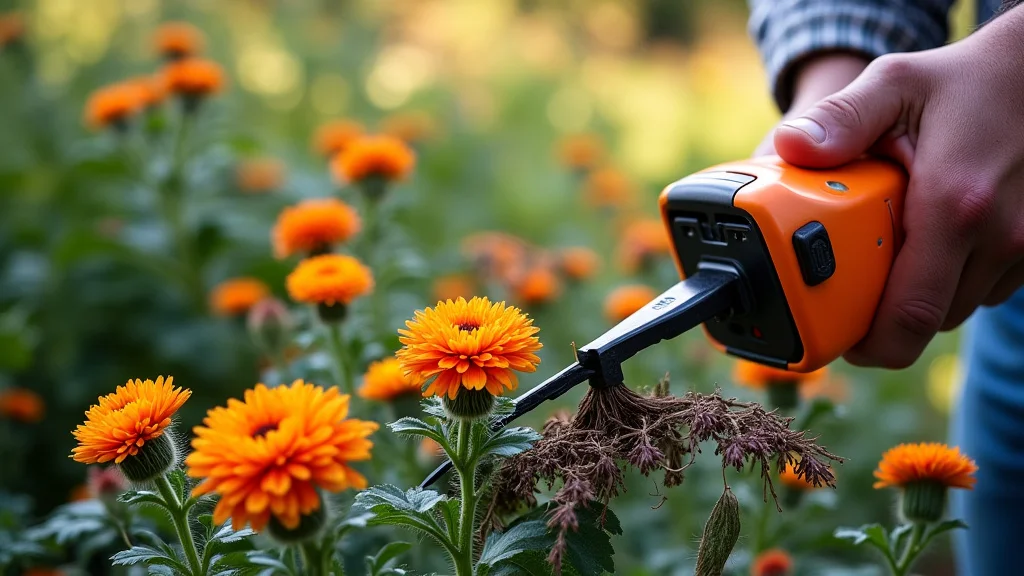
Remember that time you tried to edge your lawn with a rusty hand-held trimmer? Hours later, you were covered in sweat, the edges were wonky, and you were pretty sure your back was never going to forgive you. We’ve all been there! But what if there was a better way? This guide explores the essential garden power tools for gardening that can transform your yard work from a back-breaking chore into a satisfying hobby. You’ll learn which tools are indispensable, how to use them safely and effectively, and how they can save you time and energy. Get ready to discover the secrets to a thriving and well-maintained garden.
Key Takeaways
- Identify the must-have garden power tools for gardening, like lawnmowers and hedge trimmers.
- Learn about the different types of lawnmowers and their uses.
- Understand the features and benefits of hedge trimmers and edgers.
- Explore the world of cultivators and tillers to prepare your soil.
- Discover battery-powered and corded options and their pros and cons.
- Find guidance on selecting the right tools for your specific needs.
Must-Have Garden Power Tools
Every gardener, from the weekend enthusiast to the seasoned professional, knows that having the right tools makes all the difference. While hand tools certainly have their place, garden power tools for gardening can significantly reduce the amount of physical effort required, increase efficiency, and allow you to tackle a wider range of tasks. This section provides an overview of the most essential power tools that every gardener should consider adding to their arsenal, transforming your garden into a place of beauty with a little assistance.
Lawnmowers
A well-manicured lawn is often the centerpiece of a beautiful garden. A quality lawnmower is the cornerstone of keeping that lawn in top shape. Choosing the right lawnmower depends on the size of your lawn, the terrain, and your personal preferences. There are various types to consider, each with their own set of advantages. Picking the best one can significantly affect the health and appearance of your grass, and your overall gardening experience.
- Rotary Mowers: These are the most common type, utilizing a horizontal blade that rotates to cut the grass.
- Cylinder Mowers: These use a rotating cylinder blade that cuts the grass with a scissor-like action.
- Self-Propelled Mowers: These mowers are equipped with a motor that drives the wheels, making them easier to maneuver, especially on slopes.
- Robotic Mowers: These automated mowers use sensors and programming to navigate your lawn and cut the grass on a schedule.
Rotary mowers are often the go-to choice for homeowners due to their versatility and ease of use. They’re great for general lawn mowing and can handle slightly uneven terrain. The blade cuts the grass with a spinning motion, making them effective at tackling various grass types. They are typically available in gas, electric corded, or battery-powered models. The choice between these depends on your lawn size, power preferences, and environmental considerations.
Cylinder mowers give a very clean cut and are often favored for their precise results, offering a striped effect on the lawn. They are particularly well-suited for fine lawns and sports turf where a close and even cut is needed. While they may not be the best choice for very long or thick grass, their precision is unmatched. Cylinder mowers often require less horsepower to operate compared to rotary mowers, making them more fuel-efficient or battery-friendly.
If you have a large lawn or deal with hills, a self-propelled mower can save you a significant amount of effort. You control the speed, and the mower does the heavy lifting. They’re available in both rotary and cylinder models, offering the convenience of self-propulsion combined with your preferred cutting method. Many come with features like adjustable speeds and automatic blade shut-off for added safety.
Robotic mowers are the ultimate in convenience. They take care of the lawn mowing with minimal intervention from you. They often have a “mulching” function where the finely chopped grass clippings are returned to the lawn as fertilizer. They are safe, quiet, and can operate day or night, freeing up your time. Setting up the boundary wires can be a bit of work initially, but once installed, these mowers run on their own schedule.
Hedge Trimmers and Edgers
Beyond the lawn, neatly trimmed hedges and crisp lawn edges add a professional touch to your garden. Hedge trimmers and edgers are the go-to tools for achieving this level of finesse. The right tools can make these tasks quick, precise, and less physically demanding. Choosing the correct type of trimmer and edger can transform the overall appearance of your garden, bringing its elements to sharp focus.
- Hedge Trimmers: These tools are specifically designed to shape and trim hedges and shrubs.
- Edgers: Used to create clean, defined edges along lawns, walkways, and flowerbeds.
- Corded vs. Cordless Options: Decide between the freedom of cordless or the continuous power of corded tools.
Hedge trimmers come in various sizes and power options. Electric and battery-powered trimmers are popular for their ease of use and reduced noise levels, making them great for smaller gardens. Gas-powered trimmers provide more power, suitable for larger hedges and thicker branches. Selecting the right blade length and tooth spacing is key. A longer blade covers more area, and a wider tooth spacing handles thicker growth.
Edgers can be manual or power-driven. Power edgers offer greater convenience and speed, perfect for larger areas. They usually have a rotating blade that cuts vertically into the soil to create a crisp edge. When choosing an edger, consider the type of edges you want. A sharp, well-defined edge can significantly improve the appearance of your lawn, adding a polished and tidy look to your garden.
Cordless hedge trimmers and edgers offer flexibility, especially for gardens with no nearby power outlets. Battery life and charging time are important factors to consider. Corded tools provide continuous power and are ideal for smaller gardens where access to an outlet is easy. Weigh the advantages of mobility against the inconvenience of managing a cord. A good strategy is to assess your garden size and power requirements before making a decision.
Cultivators and Tillers
Preparing the soil is the foundation of a healthy and productive garden. Cultivators and tillers are essential tools for turning the soil, breaking up clumps, and incorporating organic matter. Selecting the right equipment depends on the size of your garden, the type of soil you have, and your personal strength and preferences. These machines prepare the perfect environment for plants to thrive by improving soil structure, aeration, and drainage.
- Cultivators: Designed for smaller gardens and existing beds, they gently break up the soil.
- Tillers: Built for larger areas and breaking new ground, they have more powerful engines and stronger tines.
- Soil Preparation: These tools are perfect for loosening soil and incorporating compost and fertilizer.
Cultivators are ideal for maintaining existing garden beds and preparing them for planting or amending the soil. They are usually smaller and lighter than tillers, making them easier to maneuver in tight spaces. They’re excellent for weeding and aerating the soil, allowing water and nutrients to reach the roots of your plants. Cultivators are often electric or battery-powered, making them easy to start and operate.
Tillers are designed for more demanding tasks, such as breaking up hard-packed soil, turning over large areas, and preparing new garden beds. They are usually larger and more powerful than cultivators, often with gas-powered engines. Tillers can handle tough soils and extensive plots. Choosing the right tiller depends on the size of your garden and the condition of your soil.
Both cultivators and tillers help incorporate compost, manure, and other organic matter into the soil, enriching it with nutrients. They also improve aeration, which is essential for healthy root growth. By breaking up compacted soil, these tools also improve water drainage, preventing waterlogging and promoting better plant growth. Regular soil preparation with either a tiller or cultivator leads to healthier and more productive gardens.
Power Sources: Corded vs. Cordless
When selecting garden power tools for gardening, the power source is a fundamental consideration. The choice between corded, cordless (battery-powered), and gas-powered tools impacts mobility, power, convenience, and the environment. Weighing the pros and cons of each power source is important to ensure you select the best tools to match your garden’s demands.
Corded Electric Tools
Corded electric tools draw power from an electrical outlet. They offer consistent power and are generally more lightweight and easier to store than gas-powered tools. However, their mobility is limited by the length of the cord, and you’ll need a nearby power source. Corded tools are a great choice for smaller gardens with easily accessible outlets.
- Pros of Corded Tools
- Cons of Corded Tools
Corded tools provide continuous power without the need to stop and recharge or refuel. They are usually more affordable than cordless or gas-powered equivalents. They generally require less maintenance than gas-powered tools. They are environmentally friendly, producing no emissions during use.
Mobility is limited by the length of the power cord, restricting you to areas near an outlet. You need to be mindful of the cord to avoid accidentally running over it. Cords can be cumbersome to manage, especially in larger gardens. They’re not practical for gardens without nearby power sources.
Cordless (Battery-Powered) Tools
Cordless tools run on rechargeable batteries, offering greater mobility and convenience. Advancements in battery technology have led to a wide range of powerful and efficient cordless tools. They are ideal for gardeners who want freedom of movement and who prefer tools that are easy to start and maintain. The only real limitation is battery life.
- Pros of Cordless Tools
- Cons of Cordless Tools
Cordless tools offer maximum mobility, allowing you to work anywhere in your garden without the constraints of cords. They are easy to start and operate, without the need for fuel or oil. They are generally quieter and produce no emissions, making them environmentally friendly. Many cordless tool systems use interchangeable batteries, saving money and increasing convenience.
Battery life can be a limiting factor, especially for large jobs. Batteries need to be recharged, which can result in downtime. Performance can diminish as the battery runs down. The initial cost can be higher than corded tools, particularly if you have to purchase multiple batteries and chargers.
Gas-Powered Tools
Gas-powered tools are typically the most powerful option, ideal for heavy-duty tasks and large gardens. They offer unrestricted mobility but produce emissions and require regular maintenance. Gas-powered tools are best for users who require extended operation times or are dealing with particularly tough gardening tasks.
- Pros of Gas-Powered Tools
- Cons of Gas-Powered Tools
Gas-powered tools provide maximum power and are well-suited for heavy-duty tasks like tilling large areas or trimming thick hedges. They offer unrestricted mobility, not being limited by cords or battery life. They are generally available with wider cutting widths and larger engines, allowing you to tackle extensive work quickly.
They produce emissions and contribute to air pollution. They require regular maintenance, including oil changes, spark plug replacements, and fuel system care. They are usually heavier and louder than electric or battery-powered options. Starting them can be more difficult, and they need fuel storage.
Choosing the Right Tools for Your Needs
Selecting the correct garden power tools for gardening begins with understanding your specific requirements. Consider the size of your garden, the types of plants you cultivate, and the tasks you perform regularly. Evaluate your physical strength, your budget, and environmental concerns to make a decision. The right tools will make the gardening experience easier and more enjoyable.
Assessing Your Garden Size and Tasks
The size and layout of your garden significantly influence the choice of power tools. A small garden may only require a lawnmower, hedge trimmer, and a small cultivator. Larger gardens will benefit from more powerful tools like a self-propelled lawnmower, a larger tiller, and a variety of trimming and edging tools. The tasks you perform regularly, such as lawn mowing, hedge trimming, and soil preparation, will guide your choices.
- Small Gardens (Under 1/4 Acre)
- Medium Gardens (1/4 to 1/2 Acre)
- Large Gardens (Over 1/2 Acre)
For small gardens, a corded electric lawnmower and hedge trimmer might be sufficient. Consider a small cultivator for soil preparation. Battery-powered options offer convenience. Focus on maneuverability and ease of storage.
A self-propelled or cordless lawnmower provides the convenience needed for this size garden. A battery-powered hedge trimmer and edger are great options. A cultivator or small tiller can aid with soil preparation. Ensure you have adequate battery life.
A gas-powered or riding lawnmower is time-saving for large lawns. A gas-powered hedge trimmer and edger will handle extensive trimming needs. A larger tiller will be valuable for preparing significant areas of soil. Prioritize power and durability.
Evaluating Power Options and Features
Consider the power source and special features of each tool. Corded tools provide continuous power but require access to an electrical outlet. Cordless tools offer freedom of movement but depend on battery life. Gas-powered tools provide maximum power but generate emissions. Look for user-friendly features like adjustable cutting heights, ergonomic handles, and safety features.
- Power Source Selection
- Key Features to Look For
- Durability and Maintenance Considerations
Decide whether corded, cordless, or gas-powered tools best suit your needs. Corded tools are great for smaller gardens near outlets. Cordless tools offer flexibility. Gas-powered tools suit larger areas and demanding tasks. Consider the trade-offs of each power source.
Consider adjustable cutting heights on lawnmowers, adjustable blades on hedge trimmers, and ergonomic handles for comfort. Safety features such as blade guards and automatic shut-off are also important. Consider the ease of use and maintenance.
Choose tools made from durable materials that can withstand regular use. Research the maintenance requirements, such as blade sharpening, oil changes, and battery care. Regular maintenance ensures the longevity and effectiveness of your tools.
Budgeting and Making Your Purchase
Creating a budget before you shop can help you stay within your spending limits. Set a budget that matches your gardening needs, the tool’s features, and the power requirements. Prioritize the tools that align with your garden’s size and the tasks you perform most frequently. It’s smart to research different brands, read reviews, and compare prices to ensure you’re getting the best value for your investment.
- Setting a Budget
- Researching Brands and Comparing Prices
- Making the Final Decision
Determine how much you’re ready to spend on your garden power tools for gardening. Prioritize the tools that are essential for your garden. Research prices to ensure the tools meet your requirements while staying within your budget. Factor in the cost of accessories, such as extra batteries, extension cords, and replacement blades.
Research different brands to determine the best options in terms of quality, performance, and durability. Read reviews from other gardeners to gain insight into how well the tools perform in real-world situations. Compare prices from different retailers to find the most affordable option. Consider warranty options and customer service.
Select the tools that best match your needs and budget after careful consideration. Prioritize safety and ease of use. Factor in the long-term cost of operation, including maintenance and potential repairs. Purchase from a reputable retailer with a fair return policy.
Frequently Asked Questions
Question: What is the best type of lawnmower for a small garden?
Answer: For a small garden, a corded electric or battery-powered rotary mower is often the most convenient choice. They are lightweight, easy to maneuver, and quiet.
Question: How often should I sharpen my hedge trimmer blades?
Answer: You should sharpen your hedge trimmer blades at least once per year, or more frequently if you use them heavily. Dull blades tear instead of cut cleanly.
Question: Are cordless tools as powerful as corded or gas-powered tools?
Answer: Cordless tools are generally less powerful than corded or gas-powered tools. However, they have improved significantly in recent years. For most home gardening tasks, the power of cordless tools is sufficient.
Question: How do I store my garden power tools safely?
Answer: Store your garden power tools for gardening in a dry, covered area. Keep them out of reach of children and pets. Drain fuel from gas-powered tools before storage.
Question: How can I maintain the battery of my cordless tools?
Answer: To extend the life of your cordless tool batteries, always follow the manufacturer’s charging instructions. Do not store the batteries fully charged or fully discharged for extended periods. Store them in a cool, dry place.
Final Thoughts
The right garden power tools for gardening can completely change your gardening experience, transforming yard work from a chore into a hobby you’ll enjoy. By understanding the different types of tools available, their power sources, and the features that best suit your needs, you can select the equipment that is right for you. Whether you choose the freedom of cordless tools, the continuous power of corded tools, or the raw force of gas-powered equipment, the investment will pay off in time saved, effort reduced, and a garden that thrives. Start by assessing your garden’s size, the tasks you undertake, and the type of plants you are growing. Research different brands and models. Embrace the journey of transforming your outdoor space into a sanctuary of beauty and productivity. Get out there, and enjoy the fruits of your labor!