
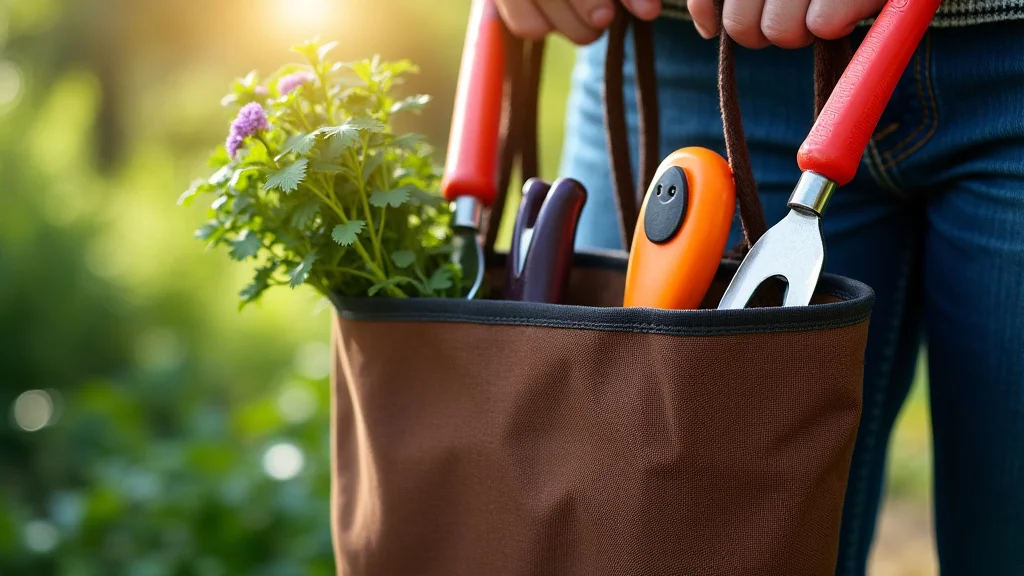
Picture this: It’s a sunny Saturday morning, and you’re ready to tackle your overgrown rose bushes. You head out to the shed, but your trowel’s missing, the gloves are tattered, and the hand rake is buried under a pile of forgotten projects. Sound familiar? This scenario highlights the importance of a good gardening tools bag. Keeping your tools organized and accessible makes gardening much more enjoyable and efficient. This post will explore the different types of gardening tools bag available and guide you through choosing the perfect one for your needs, boosting your productivity and helping you spend more time enjoying your garden.
Key Takeaways
- Discover the different types of gardening tools bags available.
- Learn how to choose the right bag based on your gardening needs and space.
- Understand the importance of material and durability when selecting a bag.
- Find out how to organize your tools effectively for optimal efficiency.
- Explore features like pockets, compartments, and ergonomic designs.
- Gain insights on maintaining and caring for your gardening tools bag.
Choosing the Right Gardening Tools Bag
The first step toward a more organized and enjoyable gardening experience is selecting the right gardening tools bag. There’s no one-size-fits-all solution, as the ideal bag depends heavily on your gardening habits, the size of your garden, and the types of tools you own. Consider the tasks you frequently undertake and the tools required for those tasks. Do you have a small balcony garden or a sprawling backyard? This decision influences the bag’s size and features. Think about how you prefer to work – do you like to have everything at arm’s reach, or do you prefer to keep it simple?
Types of Gardening Tools Bags
Several types of gardening tools bags cater to diverse needs and preferences. Each type offers unique advantages, and selecting the right one can make a huge difference in how enjoyable and efficient your gardening sessions are. From simple tote bags to heavy-duty tool aprons, let’s explore the prominent styles available. They include the tote bag, the tool apron, the rolling tool bag, and the backpack style.
-
Tote Bags: These are generally open-top bags with multiple pockets, perfect for carrying a variety of tools. They’re usually lightweight and easy to carry, suitable for small gardens or quick tasks. Tote bags are often made from canvas or polyester and are a great option for basic gardening needs.
A simple tote bag offers convenience for gardeners who need to move their essential tools between locations. The open top allows for quick access to your equipment. However, the open design also means tools might be more susceptible to rain or direct sunlight. You can find tote bags in many sizes, with different pocket configurations, which will dictate how many tools you can carry at once.
-
Tool Aprons: Tool aprons are worn around the waist and often have several pockets for essential tools. They’re ideal for gardeners who like to keep their most frequently used tools close at hand. This is often the case if you’re frequently weeding or planting. Aprons are also useful if you have limited space and want to prevent clutter.
Tool aprons keep frequently used tools within easy reach, boosting efficiency during gardening tasks. They’re typically lightweight and very comfortable to wear. They can be particularly useful when working in areas where you might need to move around frequently, such as in a vegetable patch. However, they’re generally designed to carry a limited number of tools, which may not be adequate for larger jobs.
-
Rolling Tool Bags: If you have a large garden or struggle with carrying heavy loads, a rolling tool bag could be the answer. These bags have wheels and a handle for easy transportation and are designed to hold larger tools and supplies. They’re usually made from tough materials and can withstand outdoor conditions.
Rolling tool bags are perfect if you have a large property. The wheels and handle provide easy transportation of heavy tools and supplies. They often come with many compartments and pockets. The downside is that they can be bulkier and more difficult to maneuver in tight spaces, such as around established plants and delicate areas. The wheels may also pose a challenge on uneven terrain.
-
Backpack-Style Bags: Backpack-style bags distribute weight more evenly, making them suitable for gardeners who need to carry their tools over longer distances or for extended periods. They offer multiple pockets and compartments for organizing tools and supplies. Some even include features like padded straps and waterproof bottoms.
The backpack design provides excellent weight distribution, making these bags very comfortable to wear for extended periods. They are ideal for gardeners who need to transport their tools over long distances or on rough terrain. They come with various organizational features, which can help keep tools and supplies organized. However, they might be cumbersome in tight spaces, and accessing tools can sometimes take a bit longer.
Materials and Durability
The materials from which a gardening tools bag is made significantly impact its longevity and ability to withstand the rigors of gardening. Consider the bag’s materials as an investment in a product that should last for years, withstanding weather conditions, regular handling, and the weight of your tools. The construction, stitching, and overall quality are key when selecting a bag.
Common Materials and Their Properties
Several materials are popular for gardening tools bags, each offering different advantages in terms of durability, water resistance, and ease of maintenance. The right choice depends on your specific needs, the climate, and the amount of use the bag will receive. The most commonly used materials include canvas, polyester, nylon, and heavy-duty reinforced materials.
-
Canvas: Canvas is a classic material known for its durability and natural aesthetic. It’s often treated for water resistance, making it suitable for outdoor use. However, canvas can absorb moisture if not treated correctly, so it might need regular maintenance. It ages well and develops a unique character over time.
Canvas is a tough fabric that can withstand a great deal of wear and tear, and it is usually affordable. It’s aesthetically pleasing and provides a traditional look and feel. On the downside, canvas can be heavy and may require occasional water-proofing treatments to remain weather-resistant. It can also be susceptible to mold and mildew if stored damp.
-
Polyester: Polyester is a synthetic material known for its excellent water resistance and durability. It’s lightweight, which makes it easy to carry. It is also resistant to mildew, which is a great characteristic for the garden. Polyester often resists fading, making it good for outdoor use.
Polyester is exceptionally durable and can withstand various weather conditions, including rain and sun. It is also low-maintenance, requiring only simple cleaning. On the downside, polyester may not have the same natural feel as canvas, and some polyester bags lack the aesthetic appeal. Lower-quality polyester might tear under the weight of heavier tools.
-
Nylon: Nylon is similar to polyester, but it is typically more resistant to abrasions and wear. It is a very strong and lightweight material and, like polyester, is water-resistant. Nylon often features a smoother texture than canvas, making it easy to wipe clean.
Nylon is a fantastic choice if you garden in an area with abrasive soil or rocky terrain. Its high resistance to tears and punctures ensures a longer life. The material is lightweight and easy to clean. The main downside is that nylon’s synthetic feel and appearance might not be for everyone. The quality of nylon can vary, so ensure you choose a bag made from high-quality materials.
-
Heavy-Duty Reinforced Materials: These typically include reinforced stitching and sturdy materials like ripstop nylon or thick canvas. These bags can withstand extreme conditions and heavy loads. They are designed for demanding gardening tasks and offer superior durability and longevity.
Bags made with heavy-duty reinforced materials are designed for heavy use and longevity. These bags often feature multiple reinforcements, such as double stitching, and use thicker materials. They are a good choice if you have heavy tools, a large garden, or if you plan to use the bag frequently. The higher cost can be an issue if your gardening budget is tight, and the bags can be heavier, affecting portability.
Features That Enhance Durability
Several features increase the durability of a gardening tools bag. Considering these will help you choose a bag that will endure use. Key things include reinforced stitching, water resistance, and the types of zippers or closures used. The more durable features a bag has, the longer it will last.
-
Reinforced Stitching: Reinforced stitching at stress points, such as the handles and pockets, helps prevent tears and wear. This makes the bag more resistant to the weight of tools and the stresses of daily use. Look for double-stitched seams or reinforced areas.
Reinforced stitching at critical points increases the bag’s structural integrity, allowing it to hold heavier loads without tearing. It provides extra support and can significantly extend the bag’s lifespan. The downside is that while robust stitching adds durability, it might also make the bag slightly heavier or cost more to produce.
-
Water Resistance: Water-resistant materials or treatments protect the tools from moisture. This feature is particularly helpful if you garden in a climate with frequent rain or dew. Look for bags made from water-resistant fabrics or those with a water-resistant coating.
Water-resistant features protect the tools, extending their lifespan and preventing rust and corrosion. They also protect the bag’s contents from accidental spills or wet conditions. The downside is that water-resistant treatments can degrade over time and may need to be reapplied. Not all bags are fully waterproof.
-
High-Quality Zippers and Closures: Durable zippers and closures prevent failures and ensure the bag remains closed during transport. These should be made from rust-resistant materials. The durability of these components is vital, as they undergo a lot of stress.
High-quality zippers and closures ensure that the bag stays securely closed, preventing tools from falling out. They are essential for protecting the contents from dirt, rain, and other elements. Low-quality zippers can easily break or jam, rendering the bag unusable. Ensuring the zippers and closures are durable significantly boosts the bag’s reliability.
Organizing Your Gardening Tools
Organizing your gardening tools is a must to maximize efficiency and keep everything in good working order. Proper organization not only saves time but also extends the life of your tools by reducing the risk of damage. How you organize depends on the style of your bag, but the same principles apply. Think of it like this: your gardening tools bag is your mobile garden shed.
Tool Placement Strategies
How you arrange your tools inside your gardening tools bag can greatly impact your ease of access and prevent damage. Consider the types of tools you own, how often you use them, and your preferred working style. The way you organize your bag can also prevent the tools from getting damaged.
-
Prioritize Frequently Used Tools: Place the tools you use the most in the easiest-to-reach pockets or compartments. This could include your trowel, hand rake, and pruning shears. This reduces the time spent fumbling for tools.
Having easy access to your most frequently used tools dramatically speeds up gardening tasks. This improves efficiency and allows you to react quickly to gardening needs. The downside is that less-used items might be harder to get, which could cause you to overlook them.
-
Group Similar Tools Together: Group tools by type or function. For example, keep all your pruning tools in one section and your digging tools in another. This makes finding specific tools easier when you need them.
Grouping similar tools creates order, which enhances organization and reduces the time needed to locate specific items. This approach facilitates a streamlined workflow. If you have a wide array of tools, this arrangement is essential for avoiding confusion. If you garden with multiple people, grouping similar tools also makes it easier to share equipment.
-
Use the Pockets and Compartments Effectively: Utilize all the pockets and compartments of the bag to separate different types of tools and accessories. Some bags have internal dividers or organizers to help.
Using all pockets and compartments maximizes space utilization and increases the bag’s organization. This makes it easier to maintain an orderly arrangement and find what you need quickly. This feature also allows you to store small items like seed packets or gloves, preventing them from being lost. The key is to match the tool size to the pocket size.
-
Consider Tool Size and Weight: Place heavier tools at the bottom of the bag to lower the center of gravity and provide stability. Smaller, lighter items can go in the top pockets.
Proper weight distribution is crucial for comfort and balance when carrying the bag. It reduces strain on the shoulders and back. Placing heavier tools at the bottom makes the bag less likely to tip over and protects delicate tools from being crushed. If you have a small bag, this can limit the number of large tools you can carry.
Tips for Maximizing Space
Maximizing space in your gardening tools bag ensures that you can carry all the necessary tools without overcrowding the bag. Effective space management is essential for optimizing the efficiency of your gardening sessions and keeping your tools in good condition. Consider this to get the most out of your bag.
-
Fold or Roll Flexible Items: Fold or roll flexible items like gloves or twine to save space. Place these items in pockets or compartments where they fit snugly.
Folding or rolling flexible items minimizes their footprint, leaving more room for larger tools. This technique allows you to carry more equipment without making the bag too bulky. Properly folding or rolling also protects these items from getting damaged or tangled. This requires a little effort and practice, and it is usually only possible with flexible items.
-
Use Tool Holsters or Clips: Consider adding tool holsters or clips to the bag for frequently used tools. This keeps these tools easily accessible and prevents them from getting mixed in with other items.
Tool holsters and clips provide instant access to essential tools, enhancing workflow efficiency. This keeps your most-used tools within easy reach, boosting productivity during gardening tasks. Some bag styles may not have good attachment points for holsters or clips, limiting their usefulness. They might also add some weight to the bag.
-
Use the Bag’s Lid or Cover Wisely: If your bag has a lid or cover, use the space to store small accessories like seed packets, plant labels, or a small notebook.
The lid or cover provides extra storage space without increasing the bag’s footprint. This allows you to carry additional essential items that might otherwise be left behind. Proper placement within the lid also keeps these items from falling out when the bag is opened. However, some bags might not have a lid or cover, which limits this option.
-
Choose Multi-Purpose Tools: Opt for multi-purpose tools when possible, such as a hand trowel that has depth markings. This reduces the number of tools you need to carry and saves space.
Multi-purpose tools combine the functionality of several tools into one, optimizing space and reducing the overall weight. This choice is particularly beneficial for gardeners with limited storage. Finding good-quality multi-purpose tools may sometimes require extra searching, and they might not always offer the same specialized performance as individual tools.
Maintaining and Caring for Your Gardening Tools Bag
Proper maintenance and care significantly extend the lifespan of your gardening tools bag and ensure it’s always ready for use. Regular cleaning, inspection, and appropriate storage are key to preserving your bag’s functionality and appearance. Like your tools, a little care goes a long way.
Cleaning and Maintenance Tips
Keeping your gardening tools bag clean and well-maintained prevents the buildup of dirt, debris, and potential mold or mildew. Regular cleaning also keeps the bag looking good. The steps involved in this process are straightforward and can be easily integrated into your gardening routine.
-
Empty the Bag Regularly: After each gardening session, empty the bag of all tools and debris. Wipe down the interior and exterior to remove any soil or plant matter.
Regular emptying prevents the buildup of dirt, which can contribute to the deterioration of the bag’s materials. Removing debris also prevents the growth of mold or mildew, which can damage the bag. This can be time-consuming if you have a lot of tools, and you must have a clean place to put the equipment.
-
Brush or Wipe Away Dirt: Use a brush or damp cloth to wipe away dirt, mud, and other debris from the bag’s surface. Avoid using harsh chemicals that could damage the fabric.
This simple act keeps the bag clean and prevents dirt from accumulating and wearing down the material. Using a soft brush or damp cloth is gentle yet effective. Not all materials can be effectively cleaned with just a brush or cloth; some materials require specific cleaning solutions.
-
Wash as Needed: Wash the bag when it gets dirty. The washing instructions depend on the material. Canvas bags can often be hand-washed with mild soap. Synthetic bags can usually be washed in a machine. Always air dry the bag completely before storing it.
Washing removes stubborn stains and helps maintain the bag’s appearance. It can also eliminate odors and extend the bag’s lifespan. Washing can be time-consuming, and following the correct procedures is important to prevent damage or shrinkage. Always check the manufacturer’s instructions.
-
Address Stains Promptly: Treat stains as soon as they appear. Use a mild soap or stain remover to tackle any marks or discolorations. This is usually more effective than waiting.
Addressing stains promptly prevents them from setting into the fabric and becoming difficult to remove. This helps maintain the bag’s appearance and prevents permanent damage. It might require the use of specific stain removers, which you may not have on hand.
Storage and Protection
Storing your gardening tools bag correctly and protecting it from the elements keeps it in top condition and prevents unnecessary wear and tear. Proper storage is as important as cleaning. Choose a dry and sheltered area.
-
Store in a Dry Place: Store the bag in a dry, well-ventilated area to prevent mildew and mold growth. Avoid damp sheds or garages, if possible.
Storing in a dry area prevents moisture buildup, which can cause mold, mildew, and corrosion. This will extend the bag’s lifespan and protect the contents. Proper storage might require you to dedicate space inside your home or a climate-controlled area.
-
Protect from Direct Sunlight: Keep the bag out of direct sunlight to prevent fading and material degradation. Consider using a storage shed or a shaded area.
Direct sunlight can cause the bag’s colors to fade and the materials to weaken over time. Protecting the bag from the sun helps maintain its appearance and structural integrity. This might require additional space, especially if you have to move the bag indoors to keep it out of the sun.
-
Check for Damage Regularly: Inspect the bag for any signs of wear and tear, such as rips, tears, or loose stitching. Repair or replace the bag if necessary.
Regular inspection can catch problems early, which can prevent further damage. Addressing issues promptly ensures the bag’s continued functionality and extends its lifespan. This will add time to your gardening preparations.
-
Store with Tools Clean and Dry: Always ensure that tools are clean and dry before storing them in the bag. This helps prevent rust and corrosion.
Storing clean, dry tools prevents rust and other damage, preserving their functionality. This also keeps the bag clean and protects it from potential damage from dirty tools. This requires additional time, but the benefits are undeniable.
Frequently Asked Questions
Question: What’s the best material for a gardening tools bag?
Answer: The best material depends on your needs. Canvas is classic and durable, polyester is water-resistant and lightweight, and nylon is resistant to abrasions. Consider your specific gardening environment.
Question: How do I clean my gardening tools bag?
Answer: Empty the bag, brush off dirt, and wipe it down with a damp cloth. For tougher stains, wash the bag according to the material’s instructions.
Question: How do I organize my tools in the bag?
Answer: Put frequently used tools in easy-to-reach pockets, group similar tools together, and use the pockets and compartments to maximize space.
Question: What features should I look for in a gardening tools bag?
Answer: Look for reinforced stitching, water resistance, durable zippers, and plenty of pockets or compartments.
Question: How can I make my bag last longer?
Answer: Clean and store your bag properly, protect it from sunlight and moisture, and repair or replace any damage as soon as you find it.
Final Thoughts
Selecting the right gardening tools bag is not just about having a place to store your tools. It is an investment in a more efficient and enjoyable gardening experience. Remember, the perfect bag depends on your specific gardening requirements. Consider the types of tools you own, the size of your garden, and how you prefer to work. A well-organized bag keeps your essential tools easily accessible, saving you time and effort and allowing you to focus on the pleasure of tending your garden. Proper care and maintenance of your bag can add years to its life. Explore the different styles, consider the materials, and find the bag that best suits your needs. Happy gardening, and enjoy the ease and organization a good gardening tools bag can bring!